
 -by
-by Today’s consumers expect more from businesses than traditional advertisements. Before purchasing a product or service, they often research online by reading blog articles, watching videos, listening to podcasts, browsing social media, or subscribing to email newsletters. As a result, content marketing has become one of the most powerful ways for brands to connect with their target audience and influence buying decisions.
Exploring successful content marketing examples helps businesses identify strategies that engage customers and deliver measurable results. Whether you operate a startup, an online store, a local company, or a large international business, creating valuable content can drive more website traffic, improve brand credibility, attract qualified leads, and increase long-term sales.
Instead of focusing only on direct promotions, content marketing is designed to educate, answer questions, and solve customer problems. When people consistently receive useful and trustworthy information from a brand, they are more likely to develop confidence in its products or services.
In this guide, you’ll discover inspiring content marketing examples, proven strategies, practical tips, and creative ideas that you can use to strengthen your digital marketing efforts and build lasting relationships with your audience.
What Is Content Marketing?
Content marketing is a long-term marketing approach that focuses on producing and sharing useful, relevant, and high-quality content to engage a specific target audience. Rather than relying on direct sales messages, businesses create content that educates, informs, answers common questions, or provides entertainment.
By consistently delivering valuable information, brands build trust, strengthen customer relationships, and encourage potential buyers to choose their products or services when they are ready to make a purchase.
Examples include:
- Blog posts
- Videos
- Podcasts
- Infographics
- E-books
- Email newsletters
- Case studies
- Social media posts
- Webinars
- Whitepapers
The primary goal is to build trust first and sales second.
A successful content marketing strategy aligns every piece of content with customer needs throughout the buying journey. From awareness to decision-making, every article or video should help potential customers move closer to becoming loyal buyers.
Why Content Marketing Matters More Than Ever
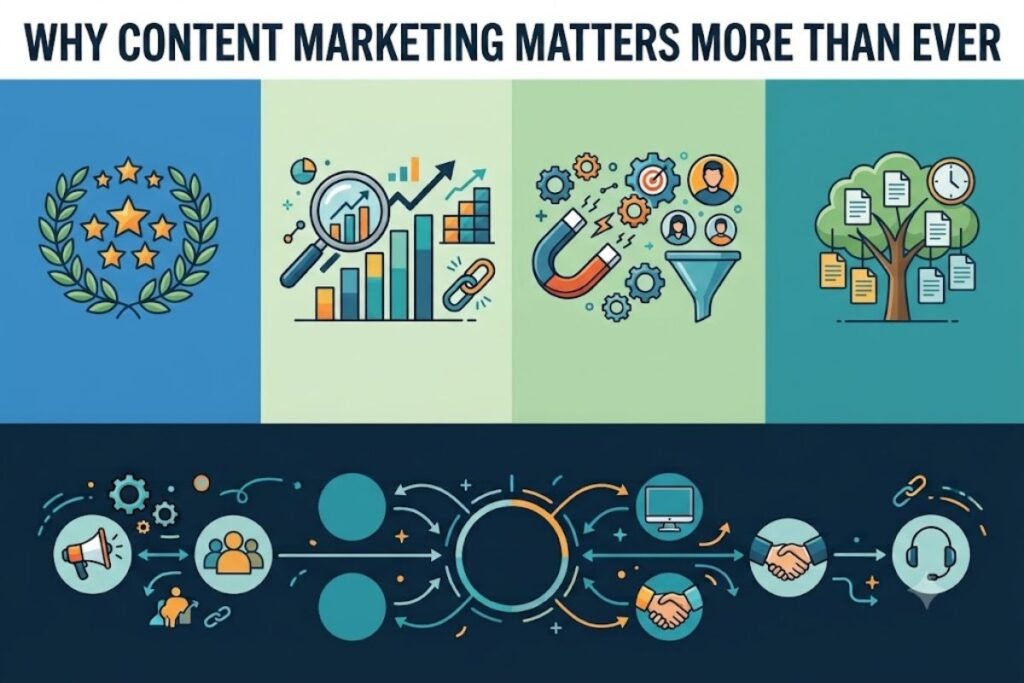
Digital competition continues to grow every year. Consumers research products extensively before purchasing. Businesses that consistently publish helpful content gain a significant advantage over competitors.
Here are some major benefits of content marketing:
Builds Brand Authority
Helpful articles demonstrate expertise in your industry. Readers begin viewing your business as a trusted source rather than just another seller.
Improves Organic SEO
In addition to attracting backlinks and improving search engine ranks, high-quality content automatically targets search keywords. Long-term increases in organic traffic are common for companies that invest in content marketing SEO services.
Generates Qualified Leads
Educational content attracts users actively searching for solutions, making content marketing lead gen significantly more effective than interruptive advertising.
Creates Long-Term Assets
Unlike paid ads that stop generating traffic when the budget ends, a well-written article can continue attracting visitors for years.
Supports Every Marketing Channel
Content powers:
- Email marketing
- Social media
- SEO
- Paid advertising
- Sales presentations
- Customer support
Every successful digital campaign depends on strong content & marketing working together.
Core Elements of a Successful Content Marketing Strategy
Many businesses publish random blog posts and expect immediate results. Successful brands follow a structured content marketing strategy built on research, planning, and continuous optimization.
Know Your Audience
Understand:
- Problems
- Goals
- Interests
- Search behavior
- Purchase motivations
The better you know your audience, the more useful your content becomes.
Set Clear Goals
Examples include:
- Increase website traffic
- Generate leads
- Build email subscribers
- Improve brand awareness
- Increase sales
- Grow social engagement
Every content piece should support one measurable objective.
Perform Keyword Research
Research what people search for before writing.
Include:
- Primary keywords
- Secondary keywords
- Long-tail keywords
- Question-based keywords
- Semantic keywords
This approach strengthens both SEO and user experience.
Publish Consistently
Consistency matters more than volume. A weekly publishing schedule often outperforms posting many articles in one month and then disappearing for weeks.
Measure Performance
Track:
- Organic traffic
- Bounce rate
- Time on page
- Rankings
- Conversions
- Backlinks
Modern content marketing analytics platforms make these metrics easy to monitor.
Best Content Marketing Examples That Inspire Success
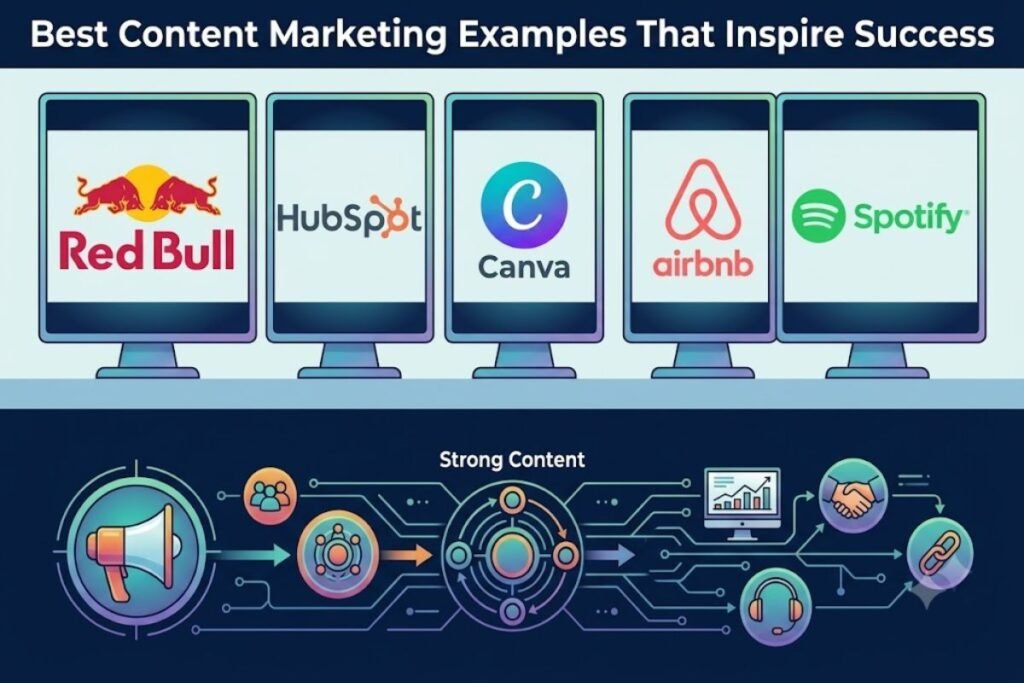
The world’s biggest brands invest heavily in content marketing examples because they know valuable content creates loyal customers. Below are some of the most successful examples.
Red Bull
Instead of constantly advertising energy drinks, Red Bull publishes thrilling videos, sports documentaries, adventure stories, and athlete interviews. Their audience consumes exciting content even when they’re not thinking about buying a drink.
Lessons:
- Tell stories
- Focus on audience interests
- Build an entertainment brand
HubSpot
HubSpot transformed inbound marketing through educational content.
Their website offers:
- Free courses
- Templates
- Marketing guides
- Research reports
- Blogs
- Certification programs
This is among the best examples of content marketing because almost every article solves a real business problem.
Canva
Canva publishes design tutorials, productivity tips, branding guides, and social media resources. Rather than aggressively promoting software, Canva teaches users how to create better designs. The result? Millions of visitors discover Canva while searching for educational content.
Airbnb
Airbnb inspires travelers through destination guides, local experiences, travel stories, and neighborhood recommendations. Their strategy demonstrates how storytelling can strengthen emotional connections with customers.
Spotify
Spotify combines:
- Personalized playlists
- Data-driven campaigns
- Interactive experiences
- Yearly Wrapped reports
These campaigns generate enormous social sharing while promoting the platform naturally.
B2B Content Marketing Examples That Generate Leads
Business-to-business companies require educational, data-driven content that supports longer buying cycles.
Great b2b content marketing examples include:
Industry Research Reports
Original research earns backlinks, media mentions, and qualified leads.
Whitepapers
Decision-makers often download detailed guides before purchasing enterprise solutions.
Webinars
Interactive online events help companies educate potential buyers while collecting valuable leads.
Case Studies
Real success stories build credibility far more effectively than advertisements.
Email Courses
Multi-day educational email sequences nurture leads until they’re ready to buy.
Businesses offering b2b content marketing services frequently combine these formats into comprehensive lead-generation campaigns.
SaaS Content Marketing Examples
Successful saas content marketing focuses on solving customer pain points while demonstrating product value.
Popular content formats include:
- Product tutorials
- Feature comparisons
- Integration guides
- Customer success stories
- ROI calculators
- Industry benchmarks
Many companies also partner with a specialized saas content marketing agency to accelerate growth through expert SEO and content planning.
AI Content Marketing Is Transforming Digital Marketing

Modern AI content marketing helps marketers:
- Generate outlines
- Research keywords
- Improve grammar
- Personalize campaigns
- Analyze competitors
- Optimize SEO
- Automate content planning
However, AI should assist—not replace—human expertise. Original insights, real-world experience, and authentic storytelling remain essential for creating content that builds trust and performs well in search engines.
Content Marketing for Small Businesses
Small businesses often assume content marketing is expensive, but it can be one of the most affordable ways to grow online.
A practical plan includes:
- Publish one helpful blog post each week.
- Share the article on social media.
- Send it to your email subscribers.
- Repurpose it into short videos or infographics.
- Update older articles regularly.
This approach helps content marketing for small businesses generate steady traffic without relying entirely on paid advertising.
Helpful Resources
If you’re looking for technology trends, digital tools, and online business insights, explore Tech All World and Techh AtoZ for informative guides and tutorials.
For businesses in the food and hospitality industry, Restaurent offers valuable restaurant-related content, while Beach Near provides travel inspiration, beach destinations, and nearby dining recommendations that can complement tourism and lifestyle content strategies.
Industry-Specific Content Marketing Examples
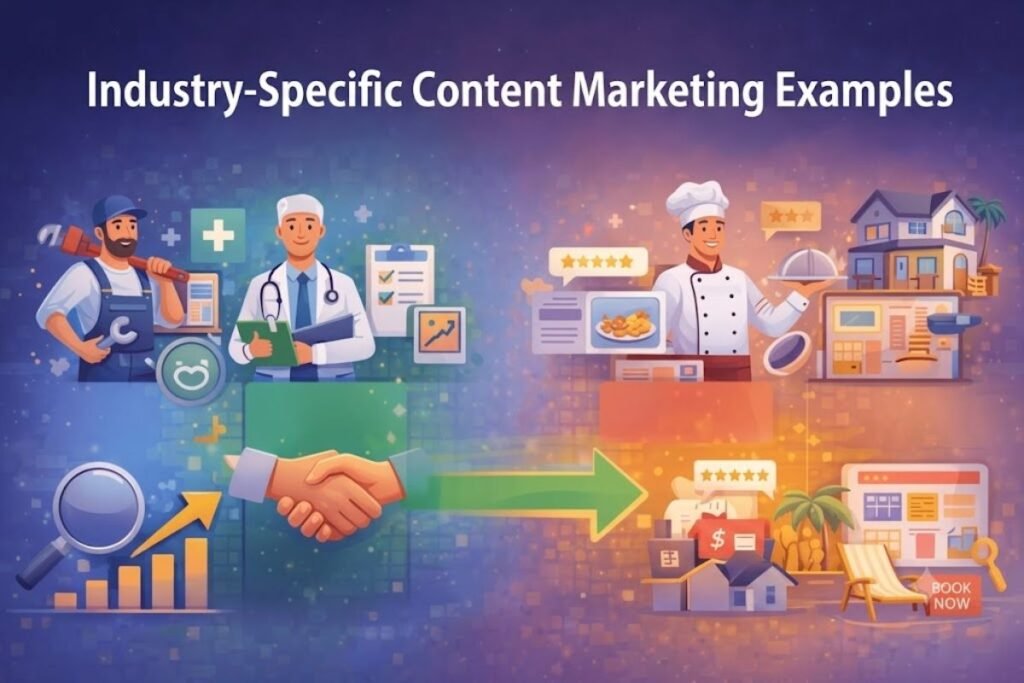
Every industry has unique customer needs. The most successful content marketing examples solve industry-specific problems while positioning the business as a trusted expert. Below are practical examples from different sectors.
Healthcare Content Marketing
Effective healthcare content marketing focuses on educating patients rather than promoting medical services. Since health decisions often require trust, informative content plays a vital role in building credibility.
Successful healthcare content includes:
- Preventive health guides
- Wellness tips
- Nutrition advice
- Medical FAQs
- Patient success stories
- Doctor interviews
- Treatment explanations
- Healthcare videos
- Seasonal health awareness campaigns
Example:
A dental clinic publishes an article titled “10 Ways to Prevent Tooth Decay Naturally.” Readers searching for dental advice discover the article, trust the clinic’s expertise, and eventually book an appointment.
Best Practices
- Use medically accurate information.
- Cite reliable sources when appropriate.
- Write in simple language.
- Avoid making unrealistic claims.
- Update articles regularly.
Content Marketing for Law Firms
Successful content marketing for law firms answers common legal questions before potential clients contact an attorney.
Popular content ideas include:
- Personal injury guides
- Family law FAQs
- Immigration processes
- Business law articles
- Estate planning checklists
- Legal terminology explained
- Case result summaries
Example:
Instead of advertising legal services directly, a law firm publishes a detailed guide on “What to Do After a Car Accident.” This educational resource attracts people actively searching for legal information and increases consultation requests.
Content Marketing for Startups
Building authority is one of the biggest challenges for new businesses. Content marketing for startups helps establish credibility without requiring a massive advertising budget.
Effective startup content includes:
- Founder stories
- Industry insights
- Product tutorials
- Customer case studies
- Behind-the-scenes updates
- Product launch articles
- Educational webinars
Publishing consistent, high-quality content helps startups compete with larger brands by demonstrating expertise and solving customer problems.
Service Content Marketing
Every service-based business depends on trust. Service content marketing showcases expertise before prospects become customers.
Examples include:
- Before-and-after success stories
- Frequently asked questions
- Service comparison articles
- Industry trend reports
- Customer testimonials
- Process explanations
- Pricing guides
Whether you run a consulting firm, marketing agency, or cleaning company, educational content reduces customer uncertainty and improves conversions.
Content Marketing Strategy Examples That Deliver Results
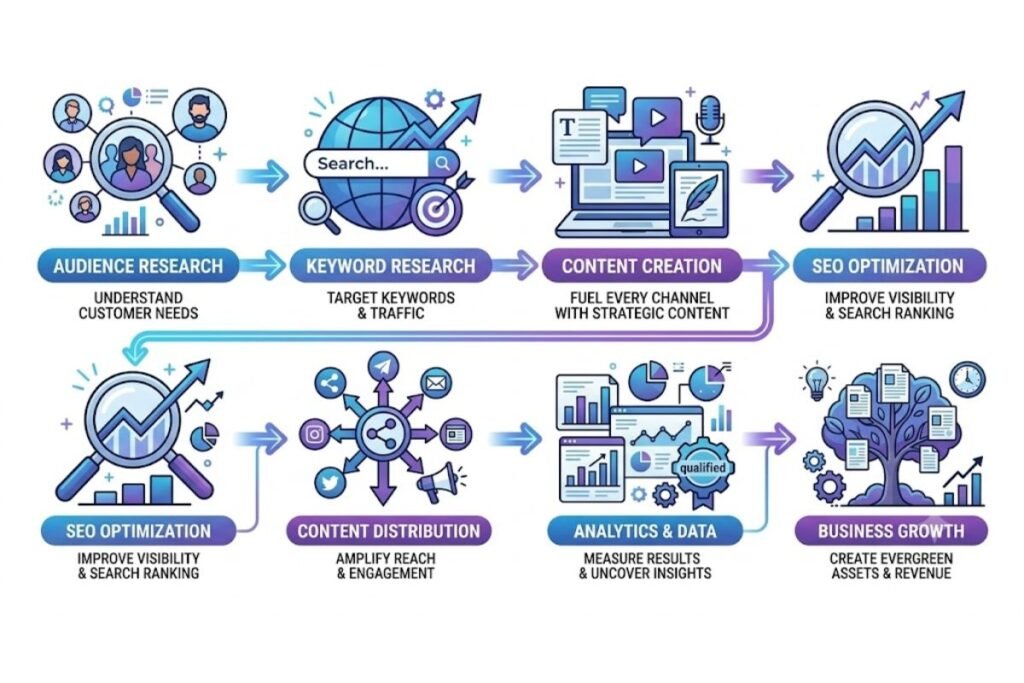
A well-planned content marketing strategy is more than publishing blog posts. It aligns every piece of content with business goals and customer intent. Below are proven strategies used by leading brands.
Educational Blog Strategy
Businesses consistently publish articles answering customer questions.
Benefits include:
- Higher search rankings
- More backlinks
- Increased organic traffic
- Better brand authority
Pillar Page Strategy
Create one comprehensive guide covering a broad topic, then support it with smaller related articles.
Example:
Main Guide
- Content Marketing
Supporting Articles
- Blog Writing Tips
- SEO Copywriting
- Email Marketing
- Keyword Research
- Content Promotion
This structure strengthens internal linking and improves SEO.
Video Marketing Strategy
Many users prefer watching videos instead of reading.
Popular formats include:
- Tutorials
- Product demonstrations
- Webinars
- Interviews
- Behind-the-scenes videos
- Live Q&A sessions
Repurpose video content into blog posts, podcasts, and social media clips to maximize reach.
Email Content Strategy
Email remains one of the highest ROI marketing channels.
Useful email content includes:
- Weekly newsletters
- Industry updates
- Product education
- Customer success stories
- Exclusive resources
Each email should provide value before encouraging a purchase.
Working with a Content Marketing Agency

Many businesses choose a professional content marketing agency to scale their marketing efforts efficiently.
Agencies often provide:
- Keyword research
- SEO audits
- Content planning
- Blog writing
- Website copy
- Video scripts
- Email campaigns
- Analytics reporting
Hiring experienced professionals allows internal teams to focus on business operations while maintaining consistent content production.
How to Choose the Best Content Marketing Agencies
Not every agency delivers the same quality. When comparing the best content marketing agencies, consider:
Industry Experience
Look for agencies familiar with your niche.
Proven Results
Ask for:
- Case studies
- Client testimonials
- Traffic improvements
- Lead generation examples
SEO Knowledge
The agency should understand:
- Technical SEO
- On-page optimization
- Semantic SEO
- Internal linking
- Search intent
Reporting
Reliable agencies provide transparent reports covering:
- Rankings
- Traffic
- Engagement
- Conversions
- ROI
Why Hire a Content Marketing Consultant?
A content marketing consultant helps businesses improve their existing strategy instead of simply producing content.
Consultants typically assist with:
- Strategy development
- Audience research
- Competitor analysis
- Editorial planning
- SEO improvements
- Conversion optimization
Their expertise often helps businesses avoid costly mistakes while improving long-term performance.
Content Marketing Services Every Business Should Consider
Professional content marketing services extend far beyond blog writing.
Common services include:
- Website copywriting
- SEO content creation
- Landing pages
- Product descriptions
- Whitepapers
- Case studies
- Video scripts
- Email marketing
- Social media content
- Infographics
- Content updates
- Content promotion
Many businesses combine these services into a comprehensive digital marketing strategy.
Content Marketing Consulting vs. Full-Service Agencies
Choosing between content marketing consulting and a full-service agency depends on your business needs.
| Consulting | Full-Service Agency |
| Strategic guidance | Strategy + execution |
| Internal team creates content | Agency produces content |
| Lower monthly cost | Higher investment |
| Flexible support | End-to-end management |
| Ideal for experienced teams | Ideal for growing businesses |
Both approaches can deliver excellent results when aligned with business goals.
Content Marketing Platforms That Improve Productivity
A modern content marketing platform helps teams manage every stage of content creation.
Popular platform features include:
- Editorial calendars
- Keyword tracking
- Workflow management
- Team collaboration
- SEO recommendations
- Performance dashboards
- Publishing automation
Using one centralized platform improves efficiency and reduces missed deadlines.
The Role of a Content Marketing Specialist
A skilled content marketing specialist combines creativity with analytics.
Daily responsibilities often include:
- Researching keywords
- Writing content
- Optimizing SEO
- Updating articles
- Monitoring rankings
- Collaborating with designers
- Promoting content
- Tracking conversions
Successful specialists continuously adapt to changing search algorithms and audience preferences.
Responsibilities of a Content Marketing Manager
A content marketing manager oversees the entire content strategy.
Their work typically includes:
- Developing content calendars
- Managing writers
- Reviewing quality
- Coordinating campaigns
- Measuring ROI
- Aligning content with business goals
- Improving brand consistency
Strong leadership ensures every piece of content contributes to measurable business growth.
Using Content Marketing Analytics to Improve Performance
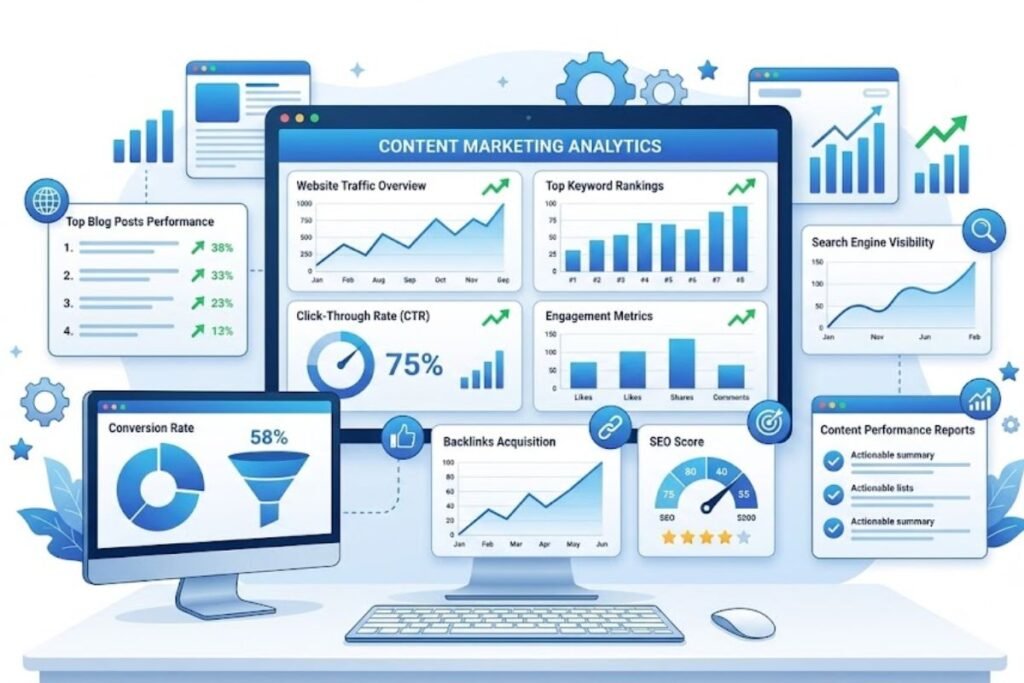
Publishing content without measuring results limits long-term success. Content marketing analytics provide valuable insights into what works and what needs improvement.
Track metrics such as:
- Organic traffic
- Keyword rankings
- Click-through rate (CTR)
- Average engagement time
- Bounce rate
- Conversion rate
- Lead generation
- Backlink growth
- Social shares
Regular analysis helps marketers refine their strategy and create more effective content over time.
How a Content Marketing Audit Strengthens Your Strategy
A content marketing audit evaluates existing content to identify strengths, weaknesses, and opportunities.
A complete audit includes:
- Reviewing top-performing pages.
- Identifying outdated content.
- Updating statistics and examples.
- Improving keyword optimization.
- Fixing broken internal and external links.
- Consolidating overlapping articles.
- Enhancing readability and user experience.
Conducting an audit at least once or twice a year helps maintain strong SEO performance and ensures your content remains relevant.
Practical B2B Content Marketing Examples
Strong b2b content marketing examples focus on solving business challenges and supporting longer sales cycles.
Examples include:
- In-depth industry reports
- Product comparison guides
- Executive interviews
- Customer success stories
- ROI calculators
- Downloadable templates
- Technical documentation
- Live product demonstrations
Companies offering b2b content marketing services often combine these assets into comprehensive campaigns that nurture prospects from awareness to purchase.
Helpful Resources
Expanding your knowledge beyond your own website can strengthen your overall marketing and content efforts.
- Stay updated with technology, digital marketing tools, and software trends by visiting Tech All World.
- Explore practical tutorials, gadget reviews, and online business insights on Techh AtoZ.
- If your audience includes food lovers or hospitality businesses, Restaurent offers valuable restaurant and dining-related resources.
- For travel, tourism, and coastal lifestyle inspiration, Beach Near features beach destinations, nearby attractions, and dining recommendations that can complement travel-focused content.
Advanced AI Content Marketing Workflows
The way that companies plan, produce, optimize, and distribute content is being revolutionized by modern AI content marketing. While artificial intelligence increases efficiency and saves time, human ingenuity is still necessary to create reliable, interesting material.
A practical AI-powered workflow looks like this:
Research Topics
Use AI to discover trending topics, customer questions, and keyword opportunities.
Build Content Briefs
Generate outlines that cover user intent, semantic keywords, and competitor gaps.
Create First Drafts
AI can produce an initial draft, but editors should verify facts, improve readability, and add original insights.
Optimize for SEO
AI tools help identify keyword placement, internal linking opportunities, readability improvements, and metadata suggestions.
Personalize Content
Businesses can tailor email campaigns, product recommendations, and website experiences based on customer behavior.
Analyze Results
AI-powered analytics reveal which content performs best and suggest future improvements. The best results come from combining AI efficiency with human expertise, ensuring content remains accurate, unique, and valuable.
Inbound Content Marketing That Converts
Inbound content marketing attracts customers naturally instead of interrupting them with advertisements. It focuses on solving problems, answering questions, and providing useful information throughout the customer journey.
The inbound process generally follows these stages:
Attract
Publish blog posts, videos, podcasts, and social media content optimized for search engines.
Engage
Offer downloadable resources, newsletters, webinars, or email courses to build relationships.
Convert
Use case studies, testimonials, product comparisons, and free consultations to encourage purchasing decisions.
Delight
Continue supporting customers with tutorials, FAQs, and exclusive content to build long-term loyalty.
This customer-first approach strengthens trust and creates repeat business.
SEO Content Marketing Services for Sustainable Growth
Many organizations invest in seo content marketing services to improve search visibility and attract qualified visitors.
Typical services include:
- Keyword research
- Search intent analysis
- Competitor research
- Content planning
- SEO copywriting
- Internal linking
- Content optimization
- Technical recommendations
- Performance reporting
These services help businesses rank for valuable keywords while providing readers with genuinely useful information.
Content Marketing Lead Generation Techniques
Generating qualified leads is one of the biggest goals of content marketing lead gen campaigns.
Offer Valuable Lead Magnets
Examples include:
- E-books
- Checklists
- Templates
- Industry reports
- Free tools
Create Landing Pages
Dedicated landing pages with clear calls to action often outperform generic website pages.
Use Email Automation
Welcome sequences and educational email campaigns nurture prospects until they are ready to buy.
Publish Customer Success Stories
Real-world results reduce uncertainty and build confidence.
Optimize Calls to Action
Every article should encourage readers to take the next logical step, such as subscribing, requesting a demo, or contacting your business.
More Real-World Content Marketing Examples
Looking at additional content marketing examples can inspire your own campaigns.
Nike
Nike publishes motivational stories, athlete interviews, training advice, and inspirational videos. The brand focuses on empowering people rather than simply promoting products.
Adobe
Adobe creates tutorials, creative inspiration, webinars, and design resources that help users improve their skills while showcasing Adobe’s software ecosystem.
Salesforce
Salesforce offers research reports, CRM guides, webinars, and customer success stories that educate businesses and support long sales cycles.
Shopify
Shopify provides business guides, eCommerce tutorials, marketing resources, and entrepreneurship advice, attracting millions of potential online store owners.
These examples of content marketing demonstrate that educating audiences often produces stronger long-term results than direct advertising.
Common Content Marketing Mistakes to Avoid
Even experienced marketers can make mistakes that reduce performance.
Avoid these common issues:
Publishing Without a Strategy
Random content rarely produces consistent results. Every article should support a defined business objective.
Ignoring Search Intent
Writing about topics that don’t match user expectations leads to poor engagement and lower rankings.
Overusing Keywords
Although content marketing should appear naturally throughout your article, excessive repetition can harm readability and SEO.
Neglecting Content Updates
Outdated information reduces credibility. Refresh articles regularly with current statistics, examples, and recommendations.
Weak Internal Linking
Connecting related articles improves navigation, user engagement, and search engine understanding.
Forgetting Promotion
Publishing content is only the beginning. Share articles through email, social media, communities, and partnerships to maximize visibility.
Future Trends in Content Marketing
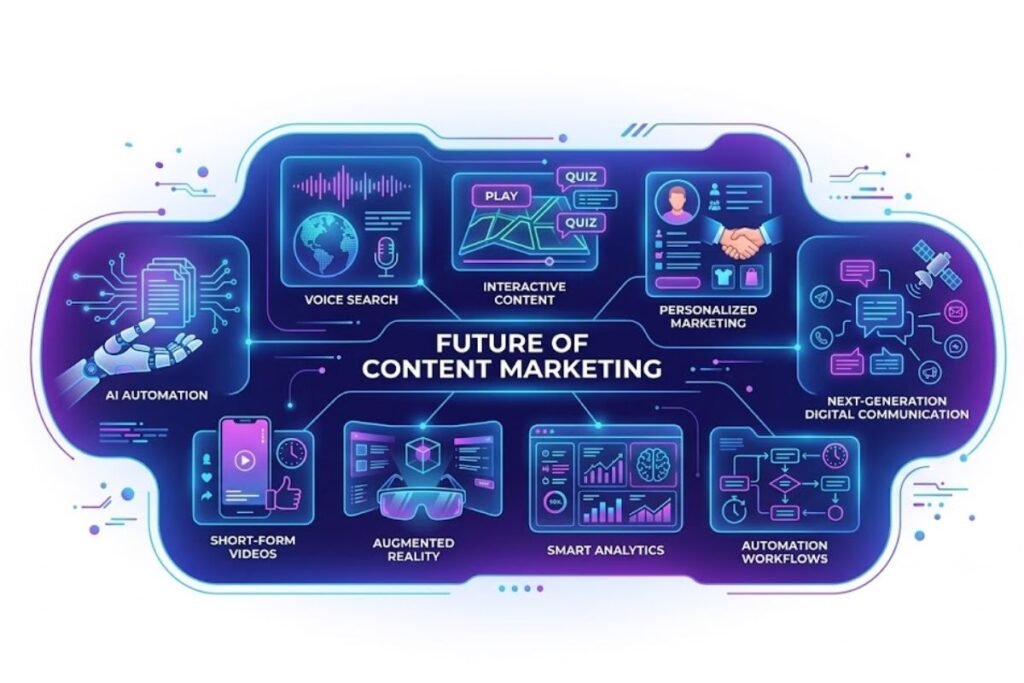
The future of content marketing will continue evolving with technology and user behavior.
Key trends include:
- AI-assisted content creation
- Voice search optimization
- Interactive content
- Personalized experiences
- Short-form educational videos
- First-party data strategies
- Community-driven marketing
- Visual storytelling
- Zero-click search optimization
- Greater emphasis on expertise and trust
Businesses that embrace these trends while maintaining quality will remain competitive.
Step-by-Step Content Marketing Action Plan
If you’re starting today, follow this roadmap:
- Define your target audience.
- Research keywords and customer questions.
- Build a comprehensive content calendar.
- Create helpful, original content consistently.
- Optimize every page for SEO.
- Add relevant internal and external links.
- Promote content across multiple channels.
- Measure performance using analytics.
- Update high-performing articles regularly.
- Repeat and improve your strategy over time.
Consistency is the foundation of long-term success.
Conclusion
The best content marketing examples prove that valuable, customer-focused content builds trust, strengthens brand authority, and generates sustainable business growth. Whether you’re creating educational blog posts, informative videos, detailed case studies, or engaging email campaigns, success comes from understanding your audience and delivering content that genuinely helps them.
A well-planned content marketing strategy combines high-quality writing, SEO best practices, audience research, and continuous optimization. Businesses that consistently invest in marketing and content are better positioned to attract organic traffic, generate qualified leads, and build lasting customer relationships.
Whether you manage a startup, a local business, a global enterprise, or a specialized agency, investing in content marketing today creates long-term value that continues delivering results for years to come.
For additional insights into technology, digital tools, and online business growth, visit Tech All World and Techh AtoZ. If your audience is interested in restaurants, hospitality, or travel, Restaurent and Beach Near offer valuable resources that can naturally complement your content strategy.
Final Thoughts
Successful content marketing is not about producing the most content—it is about creating the most helpful content. Focus on solving real problems, answering genuine questions, and delivering consistent value. By learning from proven content marketing examples, using reliable SEO practices, and regularly improving your content based on analytics, you can build an online presence that attracts readers, earns trust, and drives measurable business growth.
FAQs
Q1: What are the best content marketing examples?
Ans: Some of the best content marketing examples include HubSpot’s educational blog, Red Bull’s storytelling, Canva’s design tutorials, Airbnb’s travel guides, Shopify’s business resources, and Salesforce’s research reports. These brands focus on educating and helping users before promoting their products.
Q2: Why is content marketing important for SEO?
Ans: Content marketing improves SEO by targeting relevant keywords, answering user questions, earning backlinks, increasing engagement, and providing search engines with valuable content to index. High-quality articles also encourage longer visits and repeat traffic.
Q3: How often should I publish content?
Ans: Consistency is more important than volume. Most businesses benefit from publishing one to four high-quality articles each month while regularly updating existing content to keep it accurate and relevant.
Q4: Can small businesses benefit from content marketing?
Ans: Indeed. One of the most economical strategies for small businesses to boost visibility, draw in local and international clients, produce leads, and compete with larger firms without depending only on paid advertising is content marketing.
Q5: What tools help manage content marketing?
Ans: A content marketing platform can simplify planning, collaboration, publishing, SEO optimization, and analytics. Many businesses also use keyword research tools, editorial calendars, and performance dashboards to improve productivity.
Q6: How do I measure the success of content marketing?
Ans: Track metrics such as organic traffic, keyword rankings, engagement time, conversion rate, lead generation, backlinks, social shares, and overall return on investment. Reviewing content marketing analytics regularly helps you identify opportunities for continuous improvement.





12 Comments