 -by
-by Educational technology, better known as EdTech, is changing how students learn, teachers deliver lessons, and professionals develop new skills. From online learning platforms and virtual classrooms to AI-powered tutoring, adaptive assessments, and digital certification programs, EdTech companies are making education more flexible, accessible, and personalized.
In 2026, the EdTech industry is moving beyond simple video-based courses. Artificial intelligence, personalized learning, learning analytics, mobile education, and skills-based training are becoming increasingly important parts of the digital education ecosystem.
Whether you are a student looking for an online education platform, a professional searching for online courses and certifications, an educator exploring digital teaching tools, or a business evaluating corporate training solutions, understanding the leading Education Tech companies can help you choose the right learning technology.
In this guide, we explore the top EdTech companies in 2026, what they offer, how they are transforming education, the technologies driving the industry, major benefits and challenges, and the trends likely to shape the future of online learning.
What Are EdTech Companies?
EdTech companies develop technology-based products and services designed to improve education, training, assessment, and learning management. These companies combine technologies such as artificial intelligence, cloud computing, mobile applications, data analytics, video streaming, and interactive software with educational content.
Common EdTech companies’ products include:
- Online learning platforms
- Virtual classrooms
- Learning management systems (LMS)
- Educational apps
- AI-powered tutors
- Online courses and certifications
- Digital assessment tools
- Student management systems
- Corporate training platforms
- Skill development programs
- Language learning applications
- Personalized learning systems
The main goal of educational technology is to make learning more accessible, flexible, engaging, measurable, and relevant to different types of learners.
Why Are EdTech Companies Growing So Fast?

The growth of digital education is being driven by several changes in how people study and work.
01. Increased Internet and Smartphone Access
Learners can now access educational content from computers, tablets, and smartphones. Mobile learning makes it possible to study outside traditional classrooms and fit education around work and personal schedules.
02. Growth of Online Learning
Online education has become an important alternative and complement to traditional classroom learning. Students and professionals can access courses, lectures, assignments, and assessments without being physically present at an educational institution.
03. Demand for Career Skills
Technology and workplace requirements change quickly. Professionals increasingly use online learning platforms to develop skills in artificial intelligence, programming, cybersecurity, data science, digital marketing, project management, and other growing fields.
04. Artificial Intelligence in Education
AI is changing how learning platforms recommend content, provide feedback, analyze performance, and support students. AI-powered educational tools can help create more personalized learning experiences.
05. Flexible and Affordable Education
Many digital education services allow learners to study at their own pace. Compared with some traditional education options, online courses can also provide more affordable ways to learn specific skills.
Top EdTech Companies in 2026
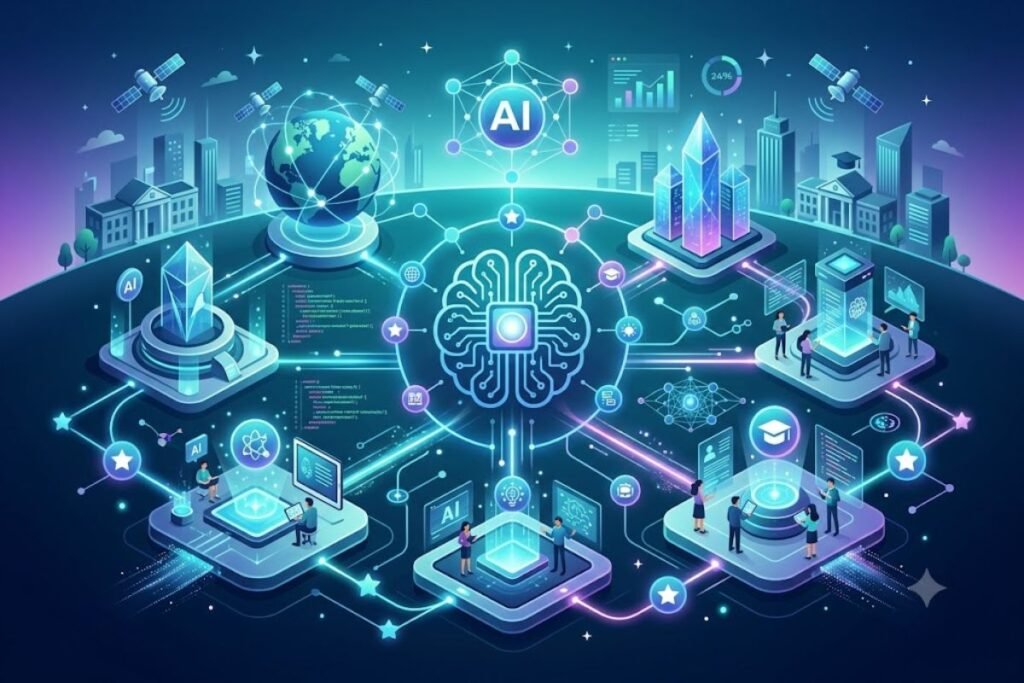
There is no single official ranking of the world’s “best” EdTech companies because the industry covers very different markets, including K-12 education, higher education, professional learning, language learning, creative skills, and corporate training. The following companies are notable because of their scale, product focus, brand recognition, or influence in specific areas of digital learning.
01. Coursera
Coursera is one of the most recognized global online learning platforms, offering courses, professional certificates, and degree programs through partnerships with universities and industry organizations.
Its learning catalog covers areas such as:
- Artificial intelligence
- Data science
- Business
- Technology
- Healthcare
- Marketing
- Computer science
- Personal development
Coursera also serves universities and organizations through institutional learning solutions.
Why Coursera Stands Out
- University and industry partnerships
- Professional certificates
- Online degree programs
- Career-focused learning
- Flexible online education
- Courses across multiple professional fields
For learners interested in online courses with certificates, Coursera is particularly relevant because its catalog combines academic and career-oriented learning.
02. Udemy
Udemy operates as a large online learning marketplace where instructors publish courses covering professional, technical, creative, and personal development subjects.
Popular course categories include:
- Programming
- Web development
- Artificial intelligence
- Business
- Marketing
- Design
- Photography
- Personal development
- IT and software
Why Udemy Is Popular
- Large course selection
- Self-paced learning
- Courses for beginners and advanced learners
- Frequent discounts and pricing options
- Practical, skill-focused topics
Udemy is especially useful for learners who want to learn a specific skill without committing to a traditional degree program.
03. Khan Academy
Khan Academy is a nonprofit educational organization focused on providing free educational resources.
Its learning materials cover subjects including:
- Mathematics
- Science
- Computing
- Economics
- History
- Reading
- Test preparation
- Financial literacy
The platform combines instructional content, exercises, practice, and personalized learning tools.
Khan Academy states that its mission is to provide a free, world-class education to anyone, anywhere. Its resources are used by learners, teachers, and families across many countries.
Why Khan Academy Stands Out
- Free educational resources
- Strong academic foundation
- Personalized practice
- Teacher and parent tools
- Broad K-12 and early college coverage
For students searching for free online education, Khan Academy remains one of the most recognizable options.
04. Duolingo
Duolingo is a major language-learning platform known for its mobile-first approach and gamified learning experience. Instead of relying exclusively on traditional textbook-style lessons, Duolingo uses short interactive exercises, progress systems, and personalized learning experiences to encourage regular practice.
Popular Features
- Gamified language lessons
- Mobile learning
- Personalized practice
- Interactive exercises
- AI-supported learning experiences
Duolingo demonstrates how gamification in education can make repetitive learning activities more engaging.
05. LinkedIn Learning
LinkedIn Learning focuses primarily on professional and career development.
Its learning content covers areas such as:
- Business
- Leadership
- Technology
- Project management
- Marketing
- Software
- Creative skills
- Professional development
The platform is particularly relevant for working professionals who want to improve workplace skills and connect learning with their professional identity.
Key Benefits
- Career-focused courses
- Professional instructors
- Technology and business training
- Skill development
- Integration with the LinkedIn ecosystem
06. Skillshare
Skillshare focuses heavily on creative and practical education.
Its content includes subjects such as:
- Graphic design
- Illustration
- Photography
- Writing
- Video production
- Animation
- Freelancing
- Entrepreneurship
Skillshare is a useful example of how online creative courses can help learners develop practical skills outside traditional academic programs.
07. Quizlet
Quizlet is a digital learning platform known for study tools, flashcards, practice activities, and AI-supported learning features. Students can use digital study materials to review concepts, practice terminology, and prepare for assessments.
Why Quizlet Matters in EdTech Companies
- Digital flashcards
- Study tools
- Practice activities
- AI-supported learning features
- Student-focused learning experience
Quizlet represents the growing shift from static educational content toward interactive and personalized study tools.
As EdTech continues to evolve, choosing the right device for online learning is equally important, so understanding the difference between a laptop and a tablet can help students and educators make a better decision.
How EdTech Companies Are Transforming Education
The impact of EdTech Companies extends far beyond replacing printed textbooks with digital content.
Personalized Learning
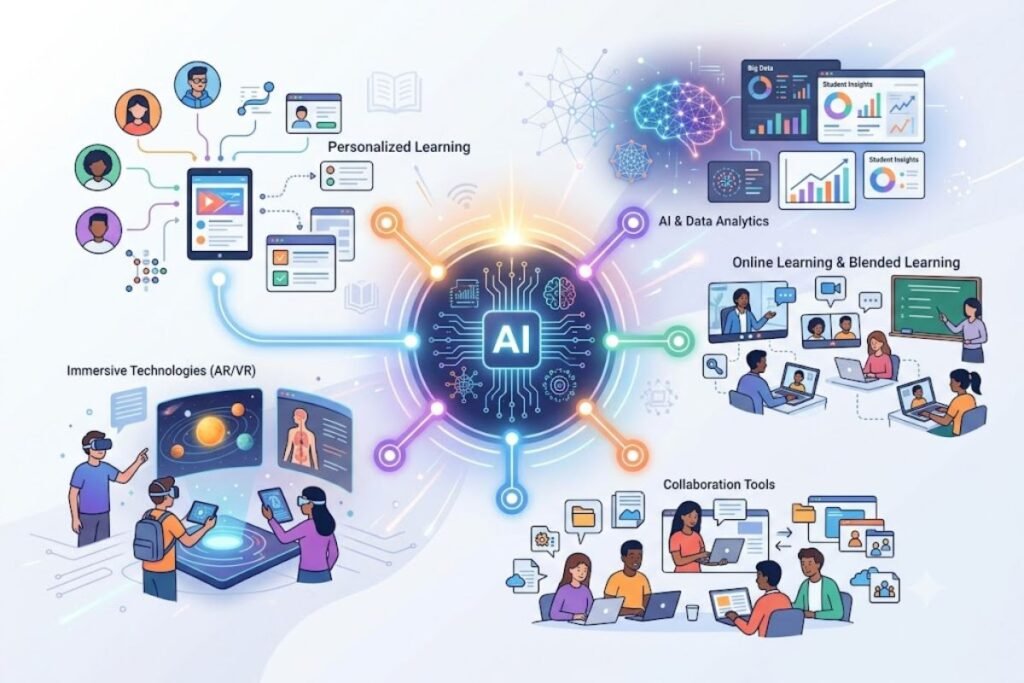
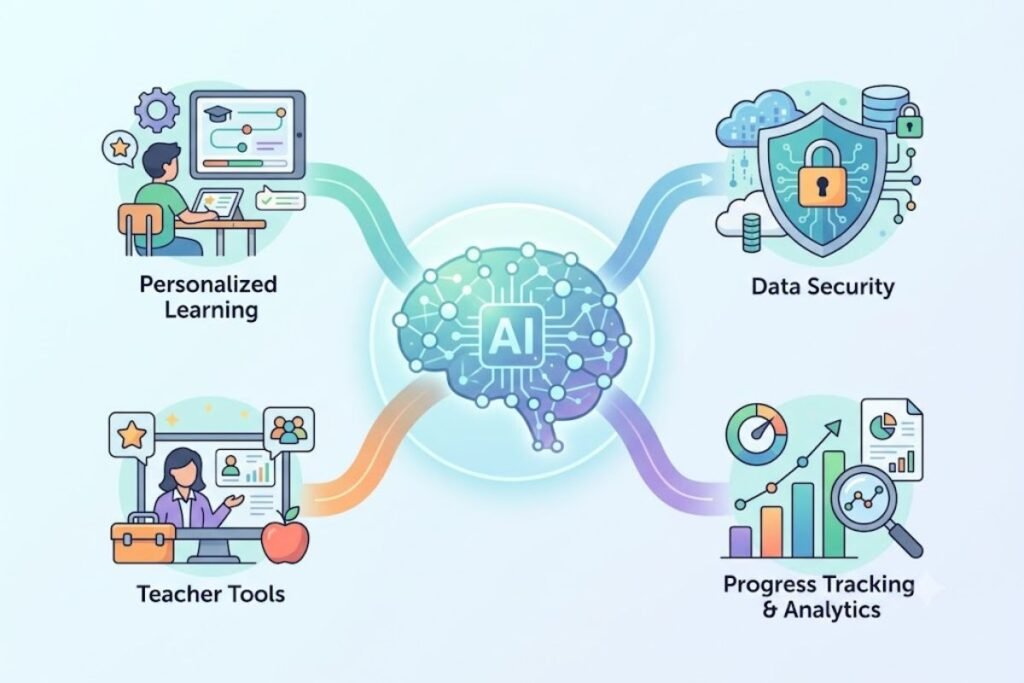
One of the most important developments in modern educational technology is personalization. AI and learning analytics can help platforms identify learner behavior and adapt educational experiences.
Examples include:
- Personalized learning paths
- Adaptive assessments
- Recommended courses
- Customized practice
- Individual progress tracking
- Automated feedback
Instead of every learner following exactly the same path, digital platforms can increasingly adjust learning experiences according to individual needs.
Remote and Hybrid Learning
EdTech companies make it possible for students and employees to participate in education without always being physically present in a classroom.
Digital platforms support:
- Remote learning
- Hybrid education
- Virtual classrooms
- Self-paced courses
- Online assessments
- Global collaboration
This flexibility is especially valuable for working professionals, remote students, and organizations with distributed teams.
Students often use laptops or Chromebooks to access online courses, virtual classrooms, and educational platforms; if you’re unsure which device is better for learning, check out our detailed guide on Chromebook vs Laptop.
Skills-Based Education
The education market is increasingly focused on practical and career-relevant skills.
Learners can use EdTech platforms to develop skills in:
- Artificial intelligence
- Programming
- Data analytics
- Cybersecurity
- Cloud computing
- Digital marketing
- Business management
- Graphic design
This has contributed to the growth of online certification programs, microcredentials, and job-focused training.
Better Access to Education
Digital learning platforms can reduce geographical barriers. A learner with an internet-connected device can potentially access educational resources created by universities, teachers, experts, and organizations around the world. This does not eliminate the digital divide, but it expands educational opportunities for people who may not have easy access to traditional institutions.
Key Technologies Driving EdTech Innovation
Artificial Intelligence in Education
AI is becoming one of the most influential technologies in the EdTech industry.
AI can support:
- Personalized recommendations
- Automated feedback
- AI tutoring
- Content generation
- Learning assessments
- Student support
- Learning analytics
- Translation and accessibility
However, AI should generally complement—not simply replace—teachers and human expertise. Educational quality still depends on accurate content, effective teaching methods, appropriate assessment, and human judgment.
Generative AI and AI Tutors
Generative AI is creating new possibilities for interactive learning.
AI tutors can potentially:
- Explain difficult concepts
- Generate practice questions
- Provide step-by-step guidance
- Adjust explanations to different skill levels
- Support language learning
- Help students review material
The challenge is ensuring that AI-generated explanations are accurate, age-appropriate, transparent, and aligned with educational goals.
Cloud Computing
Cloud technology allows educational resources and applications to be accessed across devices and locations.
Cloud-based EdTech systems can support:
- Remote access
- Scalable infrastructure
- Collaboration
- Digital storage
- Learning management
- Institution-wide deployment
Learning Analytics
Learning analytics turns educational data into insights that can help educators and organizations understand learning behavior.
Analytics can identify:
- Learning gaps
- Student performance trends
- Course completion patterns
- Engagement levels
- Assessment results
- Areas requiring additional support
When handled responsibly, learning analytics can support better educational decisions.
Virtual Reality and Augmented Reality
VR and AR can make learning more immersive.
Potential applications include:
- Virtual laboratories
- Medical training
- Historical simulations
- Technical training
- 3D educational models
- Virtual field trips
These technologies are still developing, but they could become increasingly important for subjects where hands-on or visual learning provides significant value.
Benefits of Using EdTech Platforms
Flexible Learning
Students can often learn according to their own schedule rather than following a fixed classroom timetable.
Cost-Effective Learning
Online courses can provide lower-cost alternatives for learning individual skills, although prices vary considerably between platforms and programs.
Global Access
Learners can access educational content from institutions and instructors located around the world.
Personalized Education
Adaptive technologies can adjust content and practice based on learner performance.
Continuous Skill Development
Professionals can use digital learning platforms throughout their careers instead of relying only on formal education completed early in life.
Convenient Corporate Training
Businesses can use corporate e-learning platforms to train employees, introduce new technologies, develop leadership skills, and standardize learning across distributed teams.
How to Choose the Best EdTech Platform
The “best” EdTech platform depends on what you want to learn.
Before choosing a platform, consider these factors:
1. Learning Goal
Determine whether you need academic education, professional training, exam preparation, language learning, or a specific technical skill.
2. Course Quality
Check the instructor’s qualifications, curriculum structure, reviews, learning outcomes, and practical exercises.
3. Certification
If a certificate matters for your career, verify who issues it and whether employers or educational institutions recognize it.
4. Learning Format
Consider whether you prefer:
- Self-paced courses
- Live classes
- Recorded lectures
- Interactive exercises
- One-to-one tutoring
- Cohort-based learning
5. Price
Compare subscription costs, individual course prices, free resources, and additional certification fees.
6. Student Support
Look for discussion forums, instructor interaction, mentoring, technical support, and feedback mechanisms when they are important to your learning goal.
Challenges Facing the EdTech Industry
Despite its rapid development, the EdTech industry still faces important challenges.
Digital Divide
Not every learner has reliable internet access, a modern device, or an appropriate environment for online study.
Content Quality
The quality of online education varies widely. A large course catalog does not automatically mean every course is accurate or effective.
Data Privacy and Security
EdTech platforms may handle sensitive student and educational information. Companies and institutions therefore need strong privacy, security, access controls, and responsible data practices.
Student Engagement
Online learning requires self-discipline. Learners may struggle with motivation, distractions, or course completion.
AI Accuracy and Trust
AI-powered educational tools can produce incorrect or misleading information. Human oversight, quality control, and clear boundaries for AI use remain important.
Accessibility
Educational platforms should consider learners with different abilities, languages, devices, and connectivity limitations.
EdTech Trends to Watch in 2026
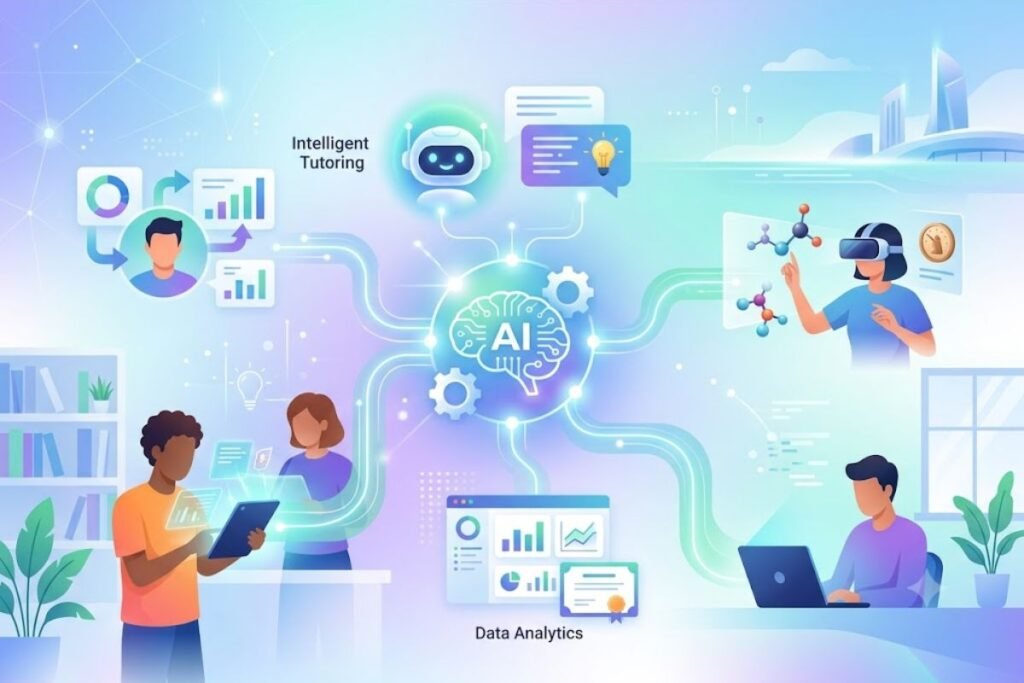
Several trends are likely to influence the educational technology market in 2026 and beyond.
AI-Powered Personal Learning
AI will continue moving toward more individualized educational experiences, including personalized study plans, recommendations, assessments, and tutoring.
AI Tutors and Learning Assistants
Conversational AI can provide students with on-demand explanations and practice support.
Skills-Based Learning
Employers and learners are increasingly interested in demonstrable skills, practical projects, certificates, and microcredentials.
Immersive Learning
Virtual reality, augmented reality, simulations, and interactive 3D environments could become more useful for technical and experiential training.
Mobile Learning
Smartphones will continue to make education more accessible by allowing learners to study almost anywhere.
Microlearning
Short, focused lessons can help learners develop specific skills without committing to lengthy programs.
AI-Powered Assessment
AI can assist with formative assessment, feedback, practice generation, and learning analytics, although high-stakes evaluation requires appropriate safeguards and human oversight.
Corporate Upskilling
Companies are expected to continue investing in digital learning as employees need to adapt to AI, automation, cybersecurity, cloud computing, and other rapidly changing technologies.
What Is the Future of EdTech?
The future of EdTech will likely be less about simply putting traditional lessons online and more about creating intelligent, interactive, and personalized learning ecosystems. AI tutors may become more capable. Learning platforms may provide increasingly adaptive study paths. Virtual and augmented reality could make some forms of training more immersive, while learning analytics may help educators identify where students need additional support.
At the same time, technology will not eliminate the importance of teachers, mentors, institutions, and human interaction. The strongest educational models are likely to combine technology with effective teaching, reliable content, critical thinking, and meaningful human support. For businesses, the future of EdTech also includes employee upskilling, AI literacy, professional certifications, and continuous learning programs.
Final Thoughts
The leading EdTech companies are changing education by combining digital platforms, online content, artificial intelligence, analytics, mobile technology, and interactive learning tools. Platforms such as Coursera, Udemy, Khan Academy, Duolingo, LinkedIn Learning, Skillshare, and Quizlet serve different learning needs—from academic subjects and language learning to professional development and creative skills.
The most important shift in 2026 is that EdTech is becoming more than an online course marketplace. AI-powered personalization, digital credentials, skills-based education, learning analytics, immersive technology, and corporate upskilling are creating a broader digital learning ecosystem. For students, educators, professionals, and businesses, the right EdTech platform should not simply be the most popular one.
It should match the learner’s goals, budget, preferred learning format, required level of support, and the credibility of its courses or credentials. As technology continues to evolve, the strongest EdTech companies will be those that combine innovation with educational quality, accessibility, privacy, reliability, and genuine value for learners.
Frequently Asked Questions – EdTech Companies
Q: What are EdTech companies?
Ans: EdTech companies develop technology-based products and services that support teaching, learning, assessment, educational management, and professional training.
Q: Which are the top EdTech companies in 2026?
Ans: Notable global EdTech companies and platforms include Coursera, Udemy, Khan Academy, Duolingo, LinkedIn Learning, Skillshare, and Quizlet. The best option depends on whether you need academic education, professional skills, language learning, creative training, or study support.
Q: What is the largest EdTech company?
Ans: There is no single universally accepted answer because EdTech companies operate in different categories and markets. Company size can be measured by revenue, users, valuation, geographic reach, institutional customers, or other metrics.
Q: How do EdTech companies make money?
Ans: Common business models include:
- Subscriptions
- Individual course purchases
- Certifications
- Enterprise training
- Institutional licensing
- Online degree programs
- Premium educational tools
- Partnerships
Q: Is EdTech good for students?
Ans: EdTech can provide flexibility, personalized practice, convenient access, and a wide range of educational resources. However, its effectiveness depends on content quality, teaching methods, student engagement, technology access, and how the platform is used.
Q: What is AI in EdTech?
Ans: AI in EdTech refers to the use of artificial intelligence to support activities such as personalized learning, tutoring, recommendations, assessment, feedback, content creation, translation, and learning analytics.
Q: What is an LMS?
Ans: An LMS (Learning Management System) is software used to create, deliver, manage, and track educational or training programs. Schools, universities, and businesses commonly use LMS platforms for online and blended learning.
Q: What are the benefits of online learning?
Ans: The main benefits include flexible schedules, remote access, broader course selection, self-paced study, skill development, and the ability to learn from institutions and instructors outside your local area.
Helpful Resources
If your readers are interested in technology, digital tools, or online business, they can explore Tech All World and Techh AtoZ for tutorials, software guides, and technology news.
Businesses in the food industry can discover restaurant-related insights on Restaurent.net, while travelers looking for coastal destinations can find useful travel guides on Beach Near.




1 Comment