 -by
-by Choosing the best operating system for gaming can significantly impact your overall gaming experience. While hardware such as your CPU, GPU, and RAM plays a major role in performance, the operating system (OS) determines software compatibility, driver support, game availability, and system optimization.
Today, gamers have several operating systems to choose from, including Windows, Linux, and macOS. Each platform offers unique advantages and limitations depending on the type of games you play and the hardware you use. In this guide, we’ll compare the most popular gaming operating systems, explore their strengths and weaknesses, and help you determine which OS is best for your gaming needs.
Why Your Operating System Matters for Gaming
Many gamers focus primarily on graphics cards and processors, but the operating system acts as the foundation of your gaming setup.
A gaming-friendly OS affects:
- Game compatibility
- Frame rates and performance
- Driver support
- Software updates
- Hardware optimization
- Multiplayer features
- Game launcher compatibility
The right operating system can help you get the most out of your gaming PC.
You can learn more in our gaming PC optimization guide.
What Makes an Operating System Good for Gaming?
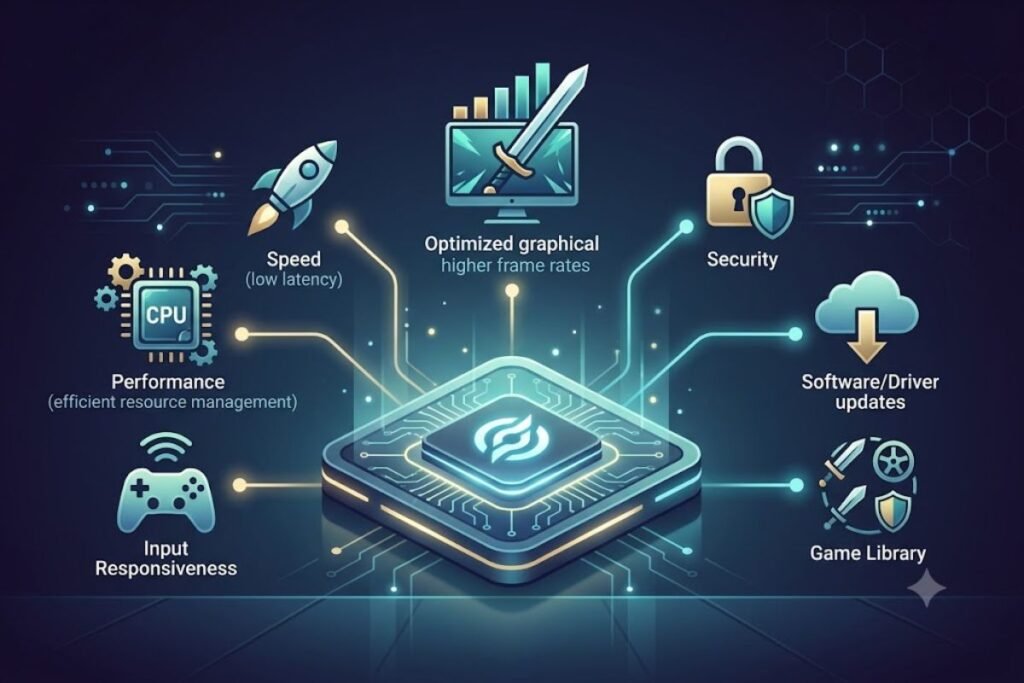
Before comparing operating systems, let’s look at the key factors that matter most to gamers.
Game Library Support
A great gaming OS should support the largest possible selection of games.
Hardware Compatibility
The operating system should work smoothly with modern graphics cards, processors, gaming peripherals, and accessories.
Driver Availability
Frequent driver updates improve stability, compatibility, and performance.
Performance Optimization
The best gaming operating systems efficiently allocate system resources to maximize frame rates.
Gaming Features
Modern gamers benefit from features such as:
- Game recording
- Streaming tools
- HDR support
- Variable refresh rate technology
- Cloud gaming integration
01. Windows: The Best Operating System for Most Gamers
For most users, Windows remains the best operating system for gaming.
Why Windows Dominates Gaming
Windows supports the largest gaming ecosystem in the world.
Advantages include:
- Massive game compatibility
- Native DirectX support
- Excellent hardware compatibility
- Strong developer support
- Easy driver installation
- Broad peripheral support
Most PC games are developed primarily for Windows before being released on other platforms.
DirectX Advantage
One of Windows’ biggest strengths is DirectX optimization for gaming.
DirectX provides:
- Better graphics rendering
- Improved performance
- Advanced visual effects
- Ray tracing support
Many modern AAA games rely heavily on DirectX technologies.
Best for Competitive Gaming
Windows supports popular esports titles such as:
- Fortnite
- Valorant
- Counter-Strike
- Apex Legends
- Call of Duty
- League of Legends
Competitive gamers often prefer Windows because it offers the broadest compatibility and lowest barriers to entry.
Pros of Windows for Gaming
- Largest game library
- Best hardware support
- Excellent driver availability
- Strong gaming ecosystem
- Easy setup process
Cons of Windows for Gaming
- Requires regular updates
- Higher licensing costs
- More background processes than some alternatives
02. Linux: The Rising Alternative for Gamers

Linux gaming has improved dramatically in recent years. Thanks to technologies like Steam Proton compatibility, thousands of Windows games now run on Linux systems.
Why Linux Is Becoming Popular
Linux offers:
- Free operating system
- Better privacy controls
- Lower resource usage
- Highly customizable environment
- Growing game support
Gaming on Linux is no longer limited to tech enthusiasts.
Steam Deck’s Impact
The popularity of the Steam Deck has accelerated Linux gaming adoption worldwide. Valve’s Proton compatibility layer allows many Windows games to run surprisingly well on Linux.
Visit Steam Proton documentation to learn more about supported titles.
Pros of Linux for Gaming
- Free and open-source
- Lightweight performance
- Strong privacy features
- Increasing game compatibility
Cons of Linux for Gaming
- Some anti-cheat systems remain unsupported
- Smaller game library
- Learning curve for beginners
- Occasional compatibility issues
Best Linux Distributions for Gaming
Popular gaming-focused Linux distributions include:
- Ubuntu
- Pop!_OS
- Nobara Linux
- Fedora
- Garuda Linux
You can read our best Linux distributions for gaming guide for detailed comparisons.
03. macOS: Good for Casual Gaming but Not Ideal for Hardcore Gamers
Apple’s macOS offers excellent performance and efficiency, especially on Apple Silicon devices. However, gaming remains a secondary focus for the platform.
Advantages of macOS
macOS provides:
- Excellent battery life
- Smooth system performance
- Strong security
- Efficient hardware optimization
Modern Apple Silicon chips deliver impressive performance in many applications.
Gaming Limitations
Despite recent improvements, macOS still faces challenges:
- Smaller game library
- Limited DirectX support
- Reduced hardware customization
- Fewer AAA game releases
Many major game developers prioritize Windows before considering macOS versions.
Pros of macOS for Gaming
- Stable operating system
- Excellent battery efficiency
- Strong security
- Optimized Apple hardware
Cons of macOS for Gaming
- Limited game availability
- Fewer gaming accessories
- Less upgrade flexibility
- Smaller gaming community
Best For
macOS works best for:
- Casual gamers
- Students
- Creative professionals who occasionally game
Learn more through Apple gaming resources.
Windows vs Linux vs macOS: Quick Comparison
Game Compatibility
- Windows
- Linux
- macOS
Gaming Performance
- Windows
- Linux
- macOS
Ease of Use
- Windows
- macOS
- Linux
Customization
- Linux
- Windows
- macOS
Software Support
- Windows
- Linux
- macOS
Overall Gaming Experience
- Windows
- Linux
- macOS
Which Operating System Is Best for Different Types of Gamers?
Competitive Gamers
Choose Windows.
Competitive titles often receive the best support on Microsoft’s platform.
Casual Gamers
Windows or macOS can work well depending on your device ecosystem.
Budget Gamers
Linux can be an excellent option because it’s free and requires fewer system resources.
Streamers and Content Creators
Windows remains the preferred choice due to software compatibility and streaming tool support.
Check out our best streaming software guide for recommended tools.
Future of Gaming Operating Systems

The gaming OS landscape continues to evolve.
Several trends are shaping the future:
Cloud Gaming
Services such as Xbox Cloud Gaming and NVIDIA GeForce NOW reduce dependence on local hardware.
Linux Growth
Valve’s investment in Proton and SteamOS continues to improve Linux gaming compatibility.
AI-Powered Gaming Features
Future operating systems will increasingly integrate AI technologies for:
- Performance optimization
- Upscaling
- Automated settings adjustments
- Content creation tools
Cross-Platform Development
Game developers increasingly build titles that work across multiple operating systems.
FAQs
Q: What is the best operating system for gaming?
Ans: Windows is currently the best operating system for gaming due to its extensive game library, hardware support, and compatibility with modern gaming technologies.
Q: Is Linux good for gaming?
Ans: Yes. Linux gaming has improved significantly thanks to Steam Proton and growing developer support.
Q: Is macOS suitable for gaming?
Ans: macOS is suitable for casual gaming but offers fewer games and gaming features compared to Windows.
Q: Does the operating system affect FPS?
Ans: Yes. Driver support, resource management, and software optimization can influence gaming performance and frame rates.
Q: Why do most gamers use Windows?
Ans: Most gamers use Windows because it supports the largest number of games, gaming peripherals, and graphics technologies.
Final Thoughts
When evaluating the best operating system for gaming, Windows remains the overall winner for most players. It offers unmatched game compatibility, excellent hardware support, and access to the latest gaming technologies.
Linux continues to gain momentum and provides an increasingly attractive option for gamers who value customization, privacy, and open-source software. Meanwhile, macOS serves casual gamers well but still lags behind in game availability and gaming-focused features.
Ultimately, the best gaming operating system depends on your preferences, budget, and gaming goals. For most users seeking the broadest and most reliable gaming experience, Windows remains the top choice in 2026 and beyond.





6 Comments