 -by
-by In today’s digital world, smartphones store nearly every aspect of our lives. From banking information and business emails to private photos and personal conversations, our phones have become digital vaults. As cyberattacks, identity theft, phishing scams, and spyware continue to increase, choosing one of the Most Secure Phones is more important than ever.
Whether you are a business professional, journalist, government employee, traveler, or everyday smartphone user, investing in a secure device helps protect your personal information from hackers and unauthorized access.
This comprehensive guide explains everything you need to know about smartphone security. You’ll discover how secure phones work, what security features matter most, and which devices offer the highest level of protection in 2026. Along the way, we’ll naturally answer questions like what is the most secure phone, what is the most secure cell phone, and how to choose the most secure phones for your needs.
If you enjoy learning about smartphones, cybersecurity, AI, and the latest gadgets, visit Tech All World and Techh AtoZ for more in-depth technology guides. If you’re planning a trip while keeping your digital privacy in mind, you can also explore Beach Near for beach destinations and Restaurent.net to discover restaurants around the world.
Why Smartphone Security Matters More Than Ever
Modern smartphones contain an enormous amount of sensitive information. Losing control of your phone can expose:
- Banking accounts
- Credit card information
- Passwords
- Email accounts
- Medical records
- Business documents
- Personal photos
- Social media accounts
- Cryptocurrency wallets
- Private conversations
Cybercriminals constantly develop new techniques to exploit smartphone vulnerabilities. Malware, ransomware, phishing attacks, SIM swapping, spyware, and fake apps can compromise your data if your device lacks strong security.
Choosing one of the most secure phones options available today significantly reduces these risks by combining secure hardware, encrypted software, regular security updates, and advanced authentication methods.
What Makes a Smartphone Secure?
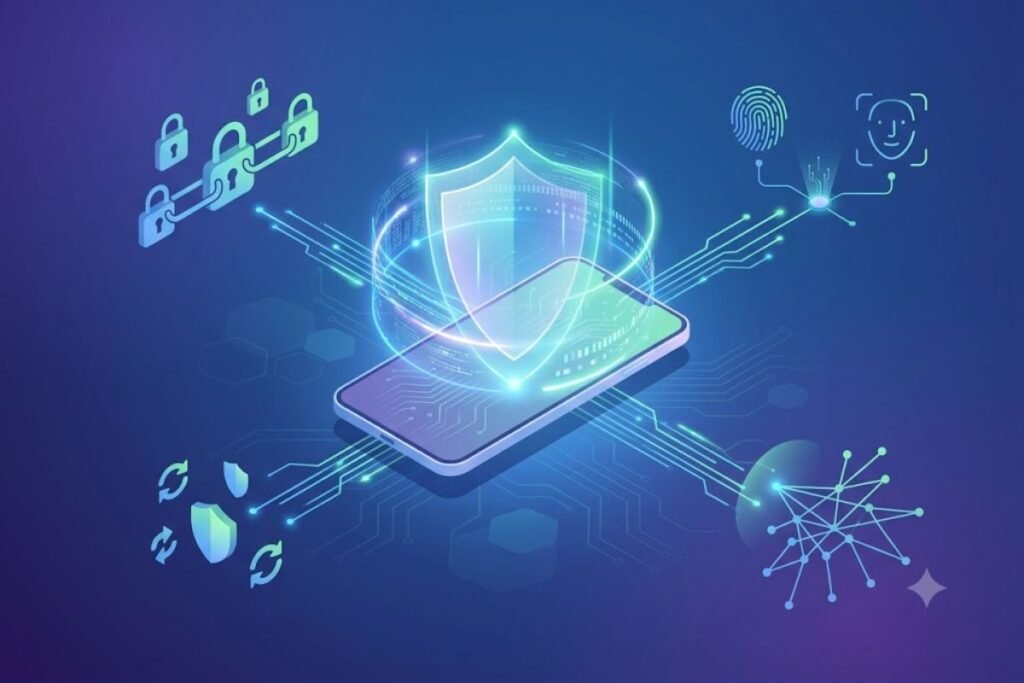
Not every expensive smartphone offers excellent security. A truly secure device combines multiple layers of protection that work together.
Hardware Security
Hardware security begins with a dedicated security chip. Modern flagship smartphones include secure hardware that protects encryption keys, passwords, and biometric data from attackers.
Examples include:
- Apple Secure Enclave
- Google Titan M2
- Samsung Knox Vault
These chips isolate sensitive information from the main processor, making unauthorized access much more difficult.
Secure Operating System
A secure operating system receives regular updates and patches vulnerabilities quickly.
When evaluating the most secure phones operating system, look for:
- Frequent security updates
- Verified boot
- App sandboxing
- Strong encryption
- Secure app permissions
- Built-in malware protection
The operating system acts as the first line of defense against modern cyber threats.
End-to-End Encryption
Encryption protects your data while stored on your phone and while transmitted over the internet.
Important encryption features include:
- Full-device encryption
- Encrypted messaging
- Encrypted cloud backups
- Secure file storage
- VPN compatibility
Without encryption, attackers may access your sensitive information even if they obtain your device.
Regular Security Updates
One of the biggest security factors is update frequency. Manufacturers that release monthly security patches reduce the risk of exploitation. A phone with outdated software becomes increasingly vulnerable over time, regardless of how powerful its hardware is.
Biometric Authentication
Modern smartphones offer several authentication methods:
- Fingerprint recognition
- Face recognition
- PIN codes
- Strong passwords
- Two-factor authentication
Combining biometrics with strong passwords creates multiple layers of protection.
Features to Look for in the Most Secure Phones
Before purchasing your next smartphone, consider these essential security features.
Secure Boot Process
Secure Boot verifies every system component before loading the operating system. If unauthorized modifications are detected, the device prevents startup. This protects against malware that attempts to infect your phone before Android or iOS loads.
Sandboxed Applications
Application sandboxing isolates apps from one another. Even if one app becomes compromised, attackers cannot easily access data stored by other applications. This significantly reduces the damage caused by malicious software.
Privacy Controls
Privacy settings help you control:
- Camera permissions
- Microphone access
- Location sharing
- Background activity
- Contact access
- Clipboard access
Modern smartphones make permission management easier than ever.
Secure App Store
Installing software only from trusted app stores minimizes malware risks. Trusted platforms perform app reviews and malware scanning before publication. Users should also avoid downloading applications from unknown websites.
Network Protection
Secure phones provide protection through:
- Wi-Fi security
- DNS protection
- VPN compatibility
- Private DNS
- Secure Bluetooth implementation
These features help prevent attackers from intercepting network traffic.
As online shopping continues to evolve, live stream shopping offers a convenient way to discover and purchase the latest smartphones through interactive product demonstrations and real-time engagement.
Who Needs the Most Secure Phones?
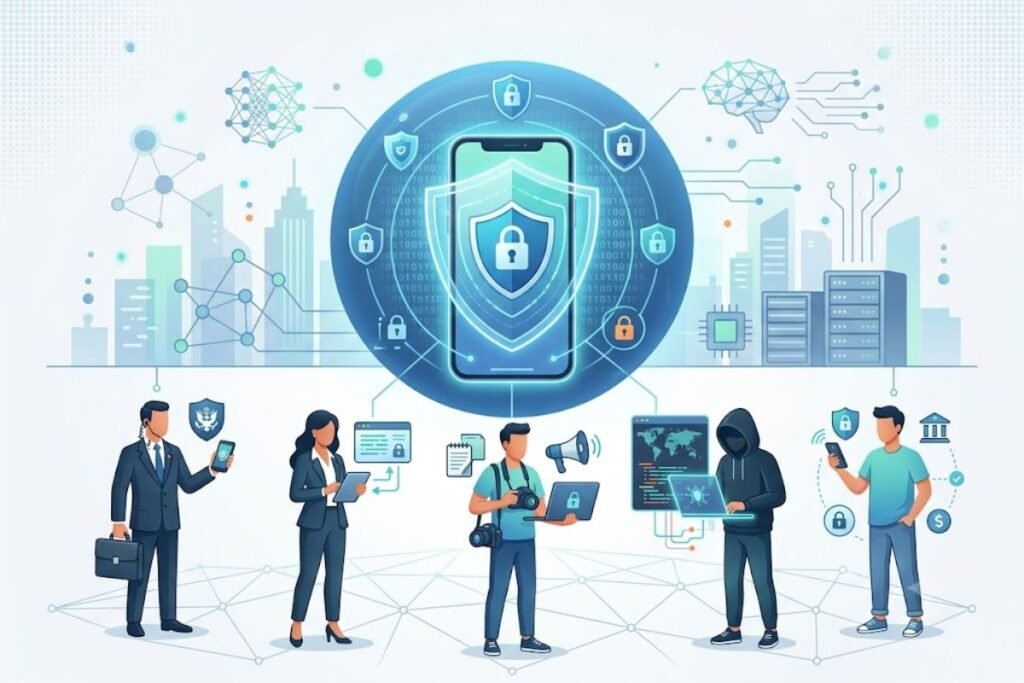
Security matters for everyone, but some users require advanced protection.
Business Professionals
Companies store confidential information on employee devices.
The most secure phone for business should provide:
- Enterprise management
- Remote device wiping
- Secure email
- VPN support
- Strong encryption
These capabilities reduce the risk of corporate data breaches.
Journalists
Journalists often communicate with confidential sources. Security features such as encrypted messaging, secure storage, and advanced authentication protect sensitive information.
Government Employees
Government agencies frequently require smartphones that comply with strict security standards. These devices usually include enhanced encryption, hardened operating systems, and secure communications.
Frequent Travelers
Travelers regularly connect to public Wi-Fi networks. Secure smartphones help protect sensitive information while accessing airports, hotels, cafés, and other public locations.
Everyday Users
Even casual smartphone users benefit from enhanced security. Identity theft, phishing scams, and malware can affect anyone. Choosing one of the most secure cell phones provides greater peace of mind for daily activities such as online banking, shopping, and communication.
Android vs iPhone: Which Platform Is More Secure?
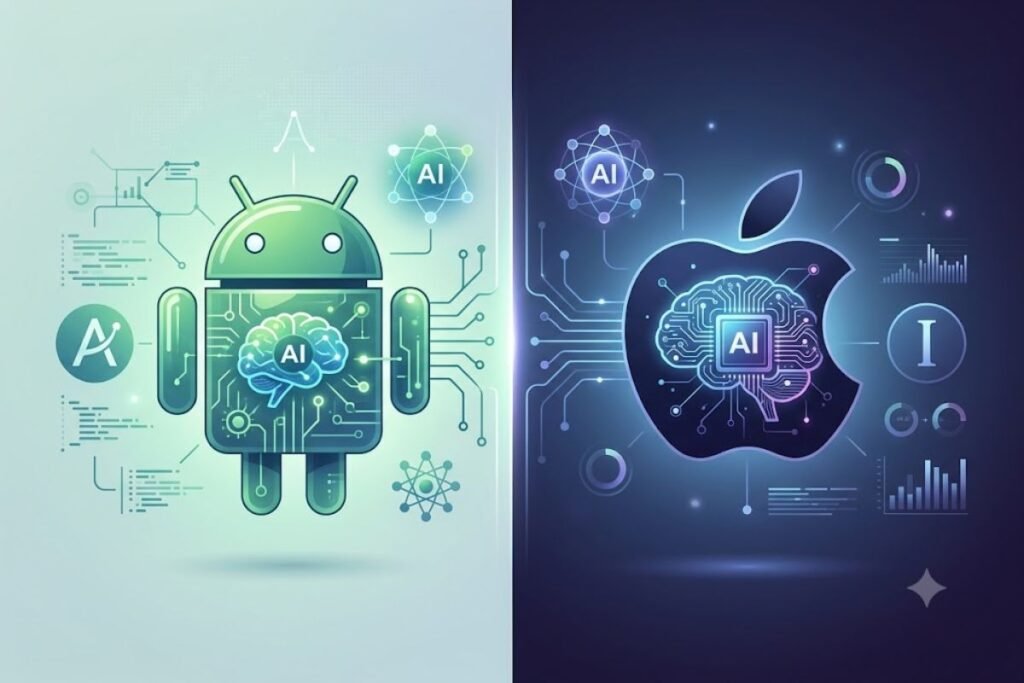
One of the most common questions is whether Android or iPhone offers better security.
iPhone Security
Apple designs both the hardware and software for the iPhone, allowing tight integration and rapid security updates. Features such as Secure Enclave, Face ID, App Store review, Lockdown Mode, and long-term software support make the iPhone one of the strongest choices for users who prioritize privacy and security.
Android Security
Android security has improved dramatically in recent years. Google’s Pixel devices include the Titan M2 security chip, Verified Boot, Google Play Protect, and monthly security updates. Samsung also provides enterprise-grade protection with Knox.
For users looking for the most secure Android phone, flagship devices from Google and Samsung stand out thanks to their dedicated security hardware and long software support.
The answer depends on your priorities. If you want a tightly controlled ecosystem, iPhone is an excellent option. If you prefer flexibility while maintaining strong protection, premium Android devices are also highly secure.
Common Smartphone Security Threats
Understanding common threats helps you choose the right device and use it safely.
Malware
Malware can steal passwords, monitor activity, or damage your files. Installing apps only from trusted sources and keeping your software updated reduces this risk.
Phishing
Attackers often use fake emails, text messages, or websites to trick users into revealing login credentials. Always verify links before entering sensitive information.
Spyware
Calls, messages, whereabouts, and keystrokes are all secretly recorded by spyware. Timely updates and secure operating systems aid in preventing these assaults.
SIM Swapping
Criminals may convince a mobile carrier to transfer your phone number to a new SIM card. Using strong account security and authentication methods can help protect against SIM swap fraud.
Top 10 Most Secure Phones in the World (2026)
Choosing from the top 10 most secure phone in the world list depends on your priorities. Some phones focus on privacy, while others emphasize enterprise-grade security, long-term software updates, or hardware-based protection. Below are the best smartphones that stand out for their security, privacy, and overall reliability.
01. Apple iPhone 16 Pro Max
The Apple iPhone 16 Pro Max remains one of the strongest contenders for the world’s most secure phone. Apple tightly integrates its hardware and software, making it extremely difficult for attackers to exploit vulnerabilities.
Why It’s One of the Most Secure Phones
- Secure Enclave security processor
- Face ID with advanced biometric authentication
- End-to-end encryption for iMessage and FaceTime
- Lockdown Mode for high-risk users
- Frequent security updates
- Strong App Store review process
- Find My with Activation Lock
- Private Relay for enhanced online privacy (where available)
Best For
- Business executives
- Government employees
- Journalists
- Privacy-conscious users
Pros
- Industry-leading software support
- Excellent privacy controls
- High-quality biometric security
- Outstanding hardware encryption
Cons
- Limited customization
- Premium price
For users looking for a secure and privacy-focused iPhone, the upcoming Apple iPhone 18 Pro Max is also worth considering for its advanced security features and updated hardware.
02. Google Pixel 9 Pro XL
Google’s flagship is widely considered the most secure Android phone available today. Google develops Android itself, allowing Pixel devices to receive security patches before most competitors.
Security Features
- Titan M2 Security Chip
- Google Play Protect
- Verified Boot
- Anti-phishing protection
- AI-powered scam detection
- Monthly security updates
- VPN by Google (eligible plans)
Best For
- Android enthusiasts
- Developers
- Privacy-focused professionals
Advantages
- Fast security updates
- Excellent malware protection
- AI security enhancements
- Clean Android experience
Limitations
- Some AI features vary by region.
- Premium pricing.
If you’re considering a secure Android phone with advanced privacy and security features, our Google Pixel 11 Pro review takes a closer look at what this flagship offers.
03. Samsung Galaxy S25 Ultra
Samsung continues to improve mobile security with Knox, making the Galaxy S25 Ultra one of the most secure Android phones for enterprise users.
Samsung Knox Security Includes
- Knox Vault
- Secure Folder
- Defense-grade encryption
- Secure Boot
- Hardware-backed credentials
- Remote device management
- Enterprise security certifications
Samsung Knox is trusted by businesses and government organizations worldwide.
Best For
- Corporate users
- Business owners
- Enterprise IT departments
04. Apple iPhone 16
The standard iPhone 16 delivers almost the same security architecture as the Pro models.
Users receive:
- Face ID
- Secure Enclave
- Full-device encryption
- Automatic security updates
- Excellent privacy settings
It is an excellent choice if you want the most secure phones without paying for premium camera features.
05. Google Pixel 9
The Pixel 9 offers nearly identical security benefits to its Pro sibling while costing less.
Highlights include:
- Titan M2 chip
- Verified Boot
- Google Play Protect
- Secure Android updates
- Excellent permission controls
It remains one of the best values for users seeking the most secure smart phone.
06. Samsung Galaxy Z Fold 7
Foldable phones also receive enterprise-level protection.
Security includes:
- Samsung Knox
- Knox Vault
- Secure Folder
- Secure Wi-Fi
- Auto Blocker
- Secure Boot
Professionals who multitask frequently appreciate both productivity and security.
07. Fairphone 6
Fairphone focuses on sustainability while also providing strong security support.
Benefits include:
- Long software support
- Regular Android updates
- Repairable hardware
- Transparent software policies
Although not marketed primarily as a security phone, it performs well for users who value privacy and longevity.
08. OnePlus 13
OnePlus continues improving Android security with:
- Regular security patches
- Secure Boot
- App permission management
- Encrypted storage
- Biometrics
It offers a balance between performance and affordability.
09. Nothing Phone (3)
Nothing’s latest smartphone emphasizes a clean Android experience.
Security features include:
- Android security updates
- Permission dashboard
- Secure storage
- Verified Boot
Its minimal software approach reduces unnecessary background processes.
10. ASUS Zenfone 12 Ultra
ASUS has significantly strengthened security over recent generations.
Security highlights include:
- Fingerprint authentication
- Face unlock
- Android security updates
- Secure storage encryption
- Privacy dashboard
It is a good alternative for users seeking flagship performance.
Comparison Table of the Top Secure Smartphones
| Phone | Operating System | Security Chip | Best For |
| Apple iPhone 16 Pro Max | iOS | Secure Enclave | Maximum security |
| Google Pixel 9 Pro XL | Android | Titan M2 | Android security |
| Samsung Galaxy S25 Ultra | Android | Knox Vault | Enterprise |
| Apple iPhone 16 | iOS | Secure Enclave | Everyday privacy |
| Google Pixel 9 | Android | Titan M2 | Value security |
| Samsung Galaxy Z Fold 7 | Android | Knox Vault | Productivity |
| Fairphone 6 | Android | Hardware encryption | Sustainability |
| OnePlus 13 | Android | Hardware encryption | Performance |
| Nothing Phone (3) | Android | Hardware encryption | Clean Android |
| ASUS Zenfone 12 Ultra | Android | Hardware encryption | Power users |
Which Phones Are the Most Secure Phones in the World?
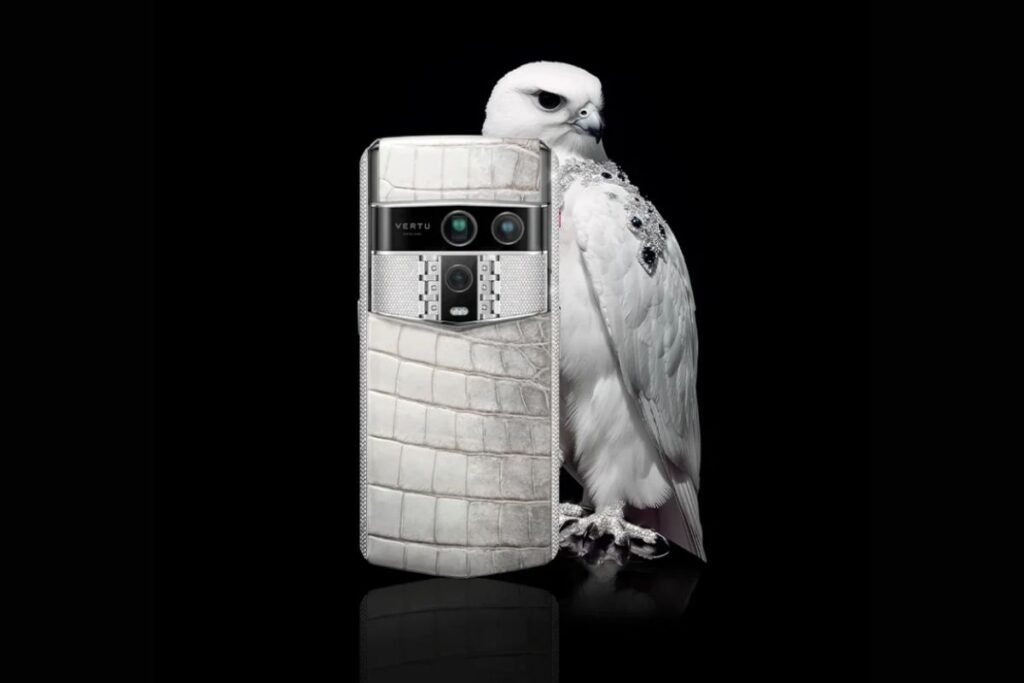
Many experts consider Apple’s flagship iPhone and Google’s latest Pixel devices to be among the most secure phones in the world options available today.
Apple excels through:
- Hardware integration
- Privacy-first software
- Long software support
- Secure Enclave
- Lockdown Mode
Google excels through:
- Titan M2
- Verified Boot
- Monthly security updates
- AI-powered threat detection
- Advanced Android protection
For enterprise users, Samsung deserves equal recognition because Knox is one of the strongest enterprise mobile security platforms.
Best Secure Phones for Different Users
Best for Business
The most secure phone for business should support:
- Mobile Device Management (MDM)
- Enterprise encryption
- VPN integration
- Remote wipe
- Multi-factor authentication
Recommended devices:
- Samsung Galaxy S25 Ultra
- iPhone 16 Pro Max
- Google Pixel 9 Pro XL
Best for Privacy
Privacy-focused users should prioritize:
- Minimal data collection
- Secure cloud backups
- Strong encryption
- Frequent updates
- Transparent privacy policies
Top recommendations:
- Apple iPhone 16 Pro Max
- Google Pixel 9 Pro XL
Best for Android Users
If you’re searching for the most secure Android phone, consider:
- Google Pixel 9 Pro XL
- Samsung Galaxy S25 Ultra
- Google Pixel 9
- Samsung Galaxy Z Fold 7
These devices receive regular security updates and include advanced hardware security.
Best Value Secure Phones
Security doesn’t always require spending the most money.
Excellent value options include:
- Google Pixel 9
- OnePlus 13
- Nothing Phone (3)
These smartphones provide impressive security at lower prices than premium flagships.
Understanding the Most Secure Phone Operating System
Many readers ask about the most secure phone operating system. The answer depends on your priorities.
iOS
Strengths include:
- Tight hardware integration
- Fast updates
- Excellent app review
- Strong encryption
- Lockdown Mode
Android
Modern Android has improved dramatically.
Key security features include:
- Verified Boot
- Google Play Protect
- Permission Manager
- Private Compute Core
- Monthly patches
Google Pixel devices receive updates first, making them the safest Android option.
Features Every Secure Smartphone Should Have
When comparing the most secure cell phone, look for:
- Hardware security chip
- End-to-end encryption
- Monthly updates
- Secure biometric authentication
- Full-device encryption
- Secure cloud backup
- Verified Boot
- Secure app permissions
- Anti-malware protection
- VPN compatibility
These features provide layered protection against modern cyber threats.
When choosing a secure smartphone, display quality also matters for privacy, readability, and everyday usability—see our guide to the best display technology to understand the latest screen technologies.
How Manufacturers Protect Your Data
Leading smartphone companies invest billions in cybersecurity.
Their protection includes:
- AI-powered malware detection
- Secure cloud infrastructure
- Hardware encryption
- Threat intelligence
- Continuous vulnerability testing
- Bug bounty programs
- Regular firmware updates
This ongoing investment helps keep users protected against evolving threats.
Common Security Mistakes to Avoid
Even the most secure mobile phone cannot fully protect you if you practice poor security habits.
Avoid these common mistakes:
- Using weak passwords
- Ignoring software updates
- Installing apps from unknown sources
- Connecting to unsecured public Wi-Fi without protection
- Clicking suspicious links
- Reusing passwords across accounts
- Disabling screen locks
- Sharing sensitive information over unsecured channels
By combining a secure smartphone with good digital habits, you significantly reduce your risk of cyberattacks.
How to Choose the Right Secure Smartphone
Selecting one of the Most Secure Phones depends on your personal or professional needs. While every user benefits from strong security, the ideal device varies based on how you use your smartphone.
Before making a purchase, consider these factors:
Determine Your Security Needs
Ask yourself these questions:
- Do you store confidential business documents?
- Do you frequently use mobile banking?
- Do you travel internationally?
- Do you manage cryptocurrency wallets?
- Do you work with sensitive client information?
- Do you rely on your smartphone for remote work?
The answers will help determine whether you need enterprise-grade protection or simply a phone with excellent privacy features.
Check the Software Update Policy
A smartphone is only as secure as its latest software update.
Choose manufacturers that provide:
- Monthly security patches
- Fast vulnerability fixes
- Long-term operating system support
- Regular firmware updates
Devices that receive updates for five to seven years generally provide better long-term protection.
Evaluate Hardware Security
Dedicated security hardware protects sensitive information even if attackers compromise the operating system.
Look for features such as:
- Secure Enclave
- Titan M2
- Knox Vault
- Hardware-backed encryption
- Secure boot verification
These technologies strengthen the protection offered by the most secure mobile phone options available today.
Compare Privacy Features
Privacy and security work together but are not identical.
Useful privacy features include:
- App permission controls
- Camera and microphone indicators
- Approximate location sharing
- Clipboard protection
- Private browsing
- Encrypted backups
- Tracking prevention
Phones that offer detailed privacy controls give users greater confidence in how their information is handled.
Essential Tips to Keep Your Smartphone Secure
Even the safest phone in the world needs to be used responsibly. Adopting sound security procedures lowers the possibility of data theft and cyberattacks.
Keep Your Device Updated
Install operating system and security updates as soon as they become available. Updates often fix newly discovered vulnerabilities that attackers actively target.
Use Strong Authentication
Protect your phone with:
- A strong passcode
- Fingerprint authentication
- Facial recognition
- Two-factor authentication for important accounts
Avoid simple PINs such as “1234” or birthdays.
Download Apps Carefully
Install applications only from trusted sources such as the Apple App Store or Google Play Store. Review app permissions before installation and remove apps you no longer use.
Enable Device Encryption
Most modern flagship phones enable encryption automatically. Verify that encryption is active, especially if you use your phone for work or financial transactions.
Back Up Your Data
Regular encrypted backups protect your files if your device is lost, stolen, or damaged. Cloud backups and encrypted local backups both provide additional protection.
Use Secure Wi-Fi Connections
Public Wi-Fi networks can expose your information if they are not properly secured. Avoid accessing banking accounts or entering sensitive information on unsecured networks.
Turn On Find My Device Features
Most smartphones include remote security tools that allow you to:
- Locate your phone
- Lock it remotely
- Display a contact message
- Erase data if recovery is impossible
These tools can minimize damage if your phone is lost or stolen.
Smartphone Security Trends for the Future
As cyber threats get increasingly complex, mobile security keeps changing. Future gadgets will have even more robust security thanks to cutting-edge hardware and artificial intelligence.
Some emerging trends include:
AI-Powered Threat Detection
Artificial intelligence can identify unusual behavior, detect phishing attempts, and block suspicious applications before they compromise your device.
Enhanced Biometric Authentication
Future smartphones may combine multiple authentication methods, including facial recognition, fingerprint scanning, and behavioral biometrics, to improve security.
Improved Hardware Isolation
Manufacturers are investing in stronger hardware-based security that isolates passwords, encryption keys, and biometric information from the main operating system.
Better Privacy Controls
Consumers are calling for more control over their personal data. Anticipate more robust anti-tracking capabilities, more thorough permission settings, and improved data collection transparency.
Longer Security Support
Many leading manufacturers now provide several years of software and security updates. This trend is likely to continue, helping users keep their devices secure for longer.
Common Myths About Secure Smartphones
Myth 1: Expensive Phones Are Always More Secure
Price alone does not determine security. Regular updates, secure hardware, and strong software support matter more than cost.
Myth 2: Apple Devices Cannot Be Hacked
Although iPhones offer excellent security, no smartphone is completely immune to cyber threats. Safe online behavior remains essential.
Myth 3: Android Is Always Unsafe
Modern Android devices—especially flagship models with timely updates—offer robust security features. Many are excellent choices for users seeking the most secure Android phones.
Myth 4: Antivirus Apps Solve Every Problem
Security apps can help detect certain threats, but they cannot replace good security habits, regular updates, and cautious online behavior.
If you regularly create and share visual content from your smartphone, you can also explore our guide to the AI video generator from image to learn how to turn photos into engaging videos quickly.
Final Recommendations
If you want the most secure phones, prioritize devices with:
- Dedicated hardware security
- Long-term software support
- Frequent security updates
- Strong encryption
- Reliable biometric authentication
- Comprehensive privacy controls
For many users, Apple’s latest iPhones and Google’s Pixel series provide an outstanding balance of privacy, usability, and security. Samsung’s flagship Galaxy devices remain an excellent choice for enterprise users because of the powerful Knox security platform.
The most secure phones for business should support enterprise management, encrypted communication, and remote security features. Individuals focused on personal privacy should look for transparent privacy controls, secure operating systems, and manufacturers with a strong history of delivering timely updates.
Ultimately, the most secure phones are those that combine advanced hardware, secure software, responsible manufacturer support, and informed user practices.
Helpful Resources
To continue learning about technology, cybersecurity, smartphones, software, and digital privacy, explore more expert guides at Tech All World and Techh AtoZ.
If you’re planning a vacation or business trip, you can also discover travel inspiration at Beach Near, while Restaurent.net helps you find restaurants and dining recommendations around the world.
Conclusion
As smartphones become central to our personal and professional lives, protecting the information they contain has never been more important. The Most Secure Phones combine advanced hardware security, encrypted operating systems, frequent software updates, and user-friendly privacy controls to defend against modern cyber threats.
Whether you’re looking for the most secure smart phone, researching what the most secure phones are, or comparing the top 10 most secure phones in the world, choosing a trusted manufacturer with a proven security record is the best long-term investment. Pair your secure smartphone with strong passwords, two-factor authentication, regular updates, and careful online habits to keep your digital life safe.
FAQs
Q: What are the Most Secure Phones available today?
Ans: The most secure phones include Apple’s latest iPhone Pro models, Google Pixel flagship devices, and Samsung Galaxy Ultra phones with Knox security. These devices offer hardware-backed encryption, frequent security updates, and advanced privacy features.
Q: What are the most secure phones for business users?
Ans: Business users should consider Samsung Galaxy Ultra models with Knox, Apple’s iPhone Pro series, or Google’s Pixel Pro devices. These phones provide enterprise-grade security, encrypted storage, remote management, and strong authentication options.
Q: Which are the most secure phones in Android?
Ans: Google Pixel flagship smartphones are widely regarded as the most secure android phone because they receive timely Android security updates, include the Titan M2 security chip, and feature Verified Boot and Google Play Protect.
Q: What is the most secure phones operating system?
Ans: Both iOS and modern Android offer strong security. iOS benefits from Apple’s tightly integrated hardware and software, while Google’s Pixel version of Android provides rapid security updates and advanced built-in protection.
Q: Can hackers break into secure smartphones?
Ans: No smartphone is completely immune to attacks. However, choosing one of the Most Secure Phones, keeping it updated, using strong passwords, enabling two-factor authentication, and avoiding suspicious links significantly reduces the risk.
Q: How often should I update my smartphone?
Ans: Install security updates as soon as they become available. Regular updates fix vulnerabilities, improve privacy, and help protect your device against the latest cybersecurity threats.


5 Comments