

In today’s fast-growing digital world, smartphone security has become more important than ever before. Every day, we store sensitive information such as personal photos, banking details, passwords, and private conversations on our mobile devices. Therefore, choosing the most secure phones is no longer just a preference—it is a necessity for protecting digital life.
Moreover, many users often ask what the most secure phone is in 2026 and what actually makes a device secure. Is it the operating system, hardware protection, or the overall ecosystem? In addition, different brands focus on different security strengths, which can make the choice confusing for users.
Therefore, in this guide, we will explore the most secure phones in detail and understand how each device protects your data in different ways.
What Makes the Most Secure Phones Truly Secure?
Strong Encryption in Most Secure Phones
Encryption forms the foundation of mobile security. Modern devices use advanced encryption to protect stored data. Therefore, thieves cannot easily access personal information even if they steal a phone.
Moreover, secure operating systems such as iOS use strict sandboxing. As a result, apps cannot freely access sensitive information without permission.
Regular Security Updates in Secure Smartphones
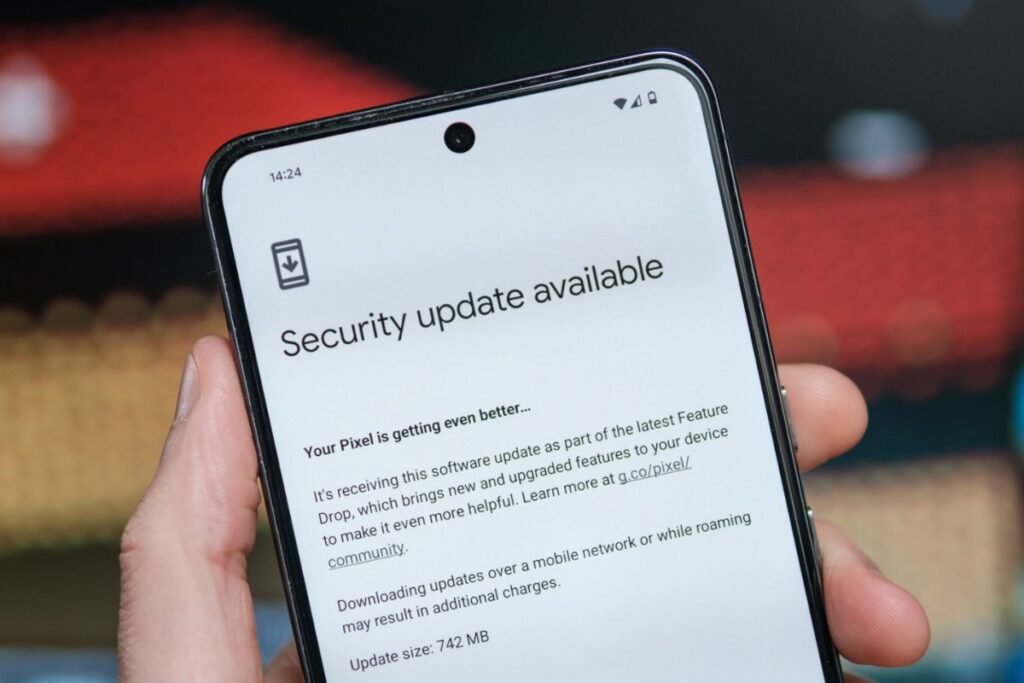
In addition, frequent updates play a critical role in keeping devices secure. A phone that receives consistent security patches is far less vulnerable to attacks. Therefore, update support is a key factor when evaluating the most secure phones.
Moreover, companies like Apple and Google provide long-term support. As a result, their devices stay protected against new threats for years.
Hardware-Level Protection in Secure Mobile Devices
Furthermore, modern smartphones include dedicated security chips. These chips store encryption keys and biometric data safely. Therefore, attackers cannot easily extract sensitive information.
In addition, this hardware-level protection adds another strong security layer beyond software.
Top Most Secure Phones in 2026
Apple iPhone – Most Secure Phone with Strong Privacy Protection
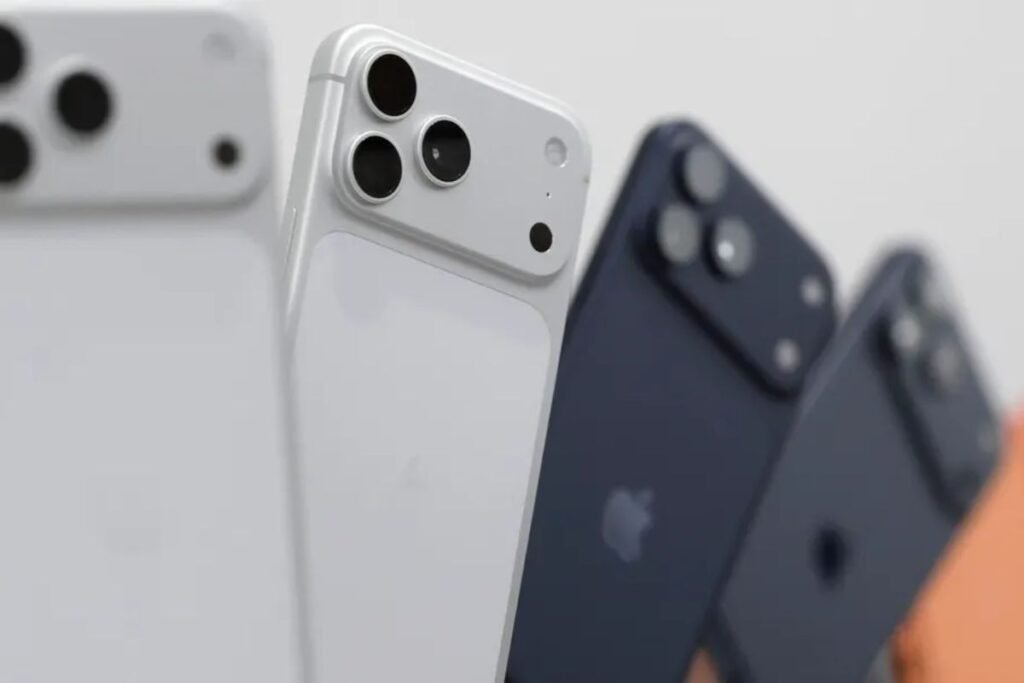
Strong Integrated Security System
The latest iPhones from Apple are among the most secure phones due to their tightly controlled ecosystem. Moreover, Apple designs both hardware and software, which reduces security gaps.
The Secure Enclave isolates biometric data such as Face ID and encryption keys. Therefore, even system-level breaches cannot easily access sensitive information.
Advanced Protection Features
In addition, iPhones include end-to-end encryption for many services and backups. Moreover, Lockdown Mode offers extreme protection against advanced spyware attacks.
However, this feature limits certain device functions. Therefore, security-conscious users mainly use it in high-risk situations.
Privacy and App Control
Moreover, Apple enforces a strict App Store review process. As a result, malicious applications appear far less frequently compared to open platforms.
Price: Starts around $1,199.
Google Pixel – Secure Smartphone with Titan M2 Security Chip
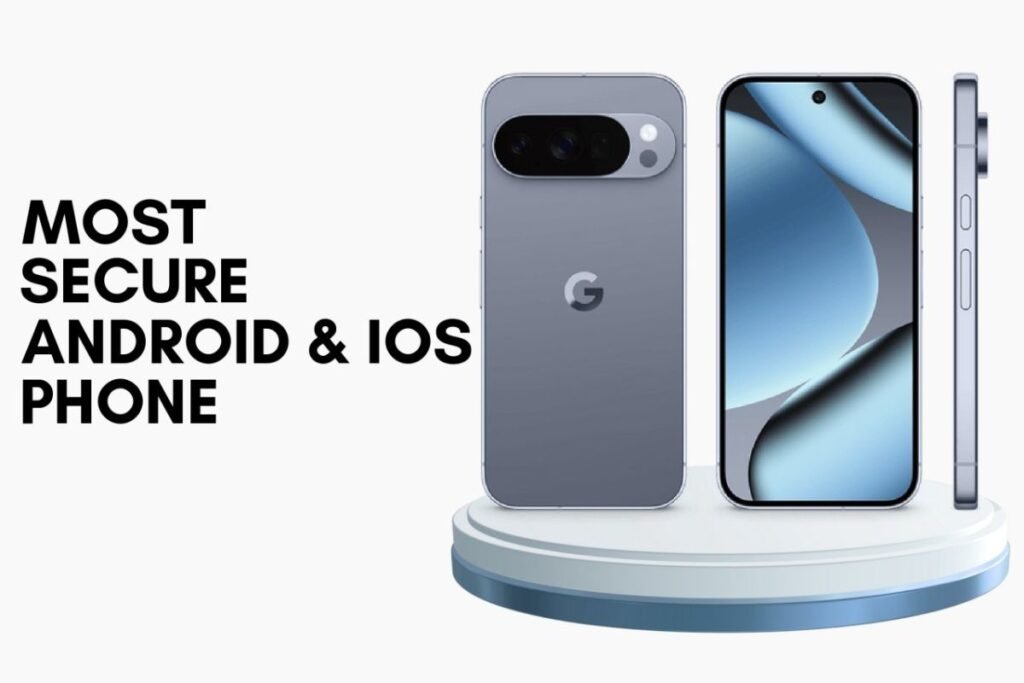
Why Google Pixel Is a Top Choice
Google Pixel devices are widely recognized as some of the most secure phones for mainstream users. In addition, they combine fast security updates with strong hardware-based protection.
They include the Titan M2 security coprocessor, which strengthens encryption and protects sensitive system operations. Therefore, brute-force attacks become significantly harder.
GrapheneOS for Advanced Users
Furthermore, Pixel devices support GrapheneOS, a hardened and privacy-focused operating system. It removes unnecessary services and reduces background tracking.
However, it is mainly suitable for advanced users. Therefore, beginners may prefer the standard Android experience.
Additional Security Highlights
Pixel phones receive Android security patches before most other devices, which helps fix vulnerabilities quickly. As a result, users stay protected against newly discovered threats sooner.
Moreover, features like secure boot and sandboxing make the system more resistant to malware attacks.
Price: Starts around $799, depending on model and region.
Samsung Galaxy – Secure Android Phone with Samsung Knox Security
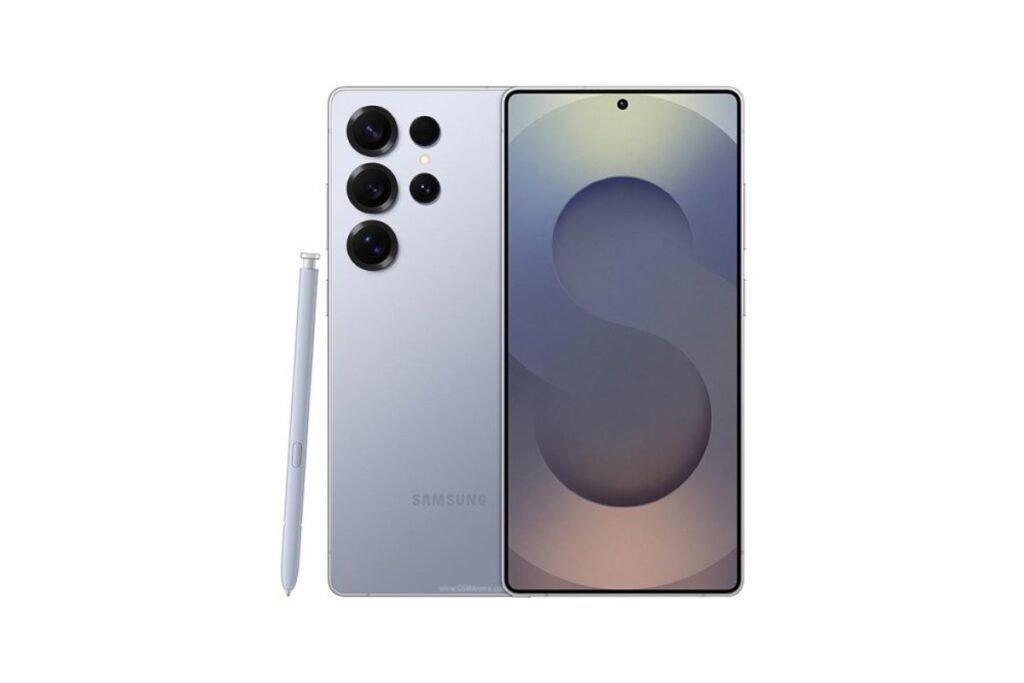
Samsung’s advanced phone security
Samsung Galaxy devices use Samsung Knox, a multi-layered security platform with hardware-backed encryption and secure containers. This advanced system helps keep personal and business data protected from cyber threats. In addition, enterprise users benefit from real-time monitoring and enhanced privacy controls. Many organizations and government agencies trust Samsung Knox because of its strong mobile security features.
Therefore, personal and work data remain separated and protected.
Government-Level Security Features
Knox is widely used in enterprise and government environments, where strict security compliance standards are required. As a result, it meets these high security requirements effectively.
Moreover, it protects against malware, unauthorized access, and data leaks.
Productivity and Security Balance
However, Samsung devices also maintain strong usability and performance. Therefore, they are suitable for both business and personal use.
Price: Starts around $1,299.
Purism Librem 5 – Privacy-Focused Secure Mobile Device
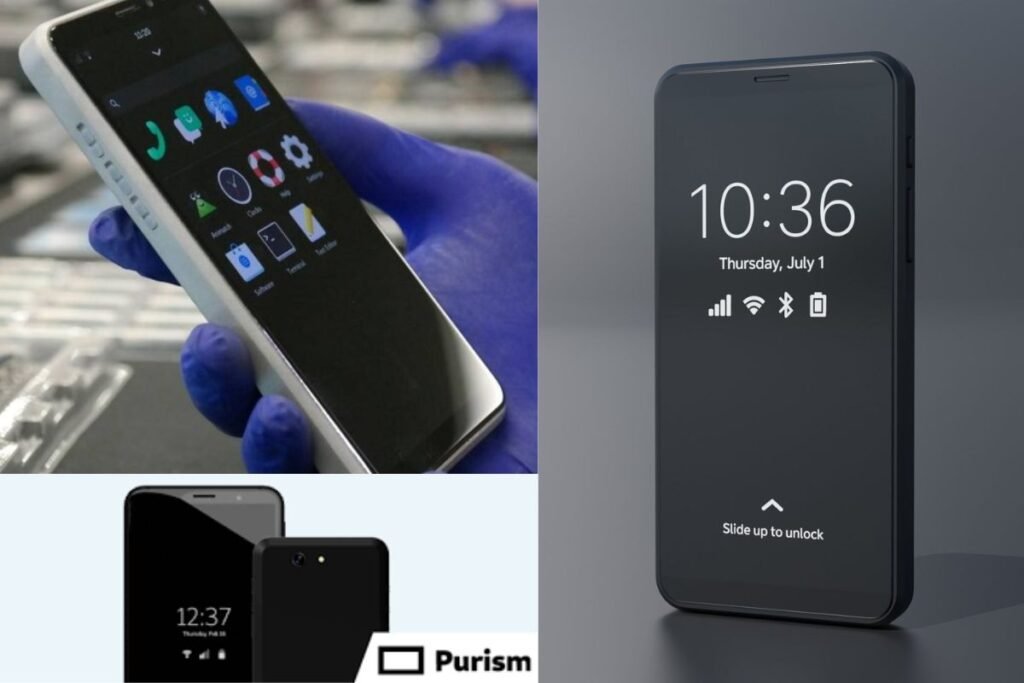
Physical Security Controls
The Purism Librem 5 is designed for users who want maximum control over hardware. It also includes physical kill switches for the camera, microphone, Wi-Fi, and cellular modem, giving users direct control over hardware access.
Therefore, users can completely disconnect hardware components when needed.
Anti-Tracking Design
The cellular modem is physically separated from the main CPU. As a result, this separation makes tracking through baseband communication much more difficult.
However, this device is not designed for mass-market convenience. Therefore, it suits privacy-focused technical users.
Privacy-Focused Operating System
Moreover, it runs a Linux-based open-source system that avoids major commercial tracking systems. Therefore, user data exposure is significantly reduced.
Price: Approximately $1,299.
Why These Are Considered the Most Secure Phones
So, which device truly qualifies as the most secure phone? The answer mainly depends on your personal security needs and how you use your smartphone in daily life.
If you prefer a simple experience with strong built-in protection, the iPhone is an excellent option. Moreover, it offers a tightly controlled ecosystem that reduces many common security risks. Therefore, it is ideal for users who want reliability without technical complexity.
However, if you want more flexibility along with strong security controls, Google Pixel devices are a better choice. In addition, they receive fast security updates and support advanced privacy options. Therefore, they are perfect for users who want both control and protection.
Moreover, Samsung devices are highly suitable for business and productivity-focused users. They provide enterprise-level security through Knox and strong data separation features. Therefore, they are widely trusted in professional environments.
In conclusion, there is no single winner among the most secure phones. Instead, each device ranks highly depending on what you value most—simplicity, flexibility, or enterprise security.
Conclusion
In conclusion, the question of what is the most secure phone does not have a single universal answer. Instead, the reality is that different devices excel in different security areas, which is why the most secure phones category includes multiple strong contenders.
Moreover, Apple iPhones provide a highly secure and user-friendly ecosystem with strong encryption and strict app control. Therefore, they are ideal for users who want dependable protection without complexity.
In addition, Google Pixel devices offer advanced privacy options, fast security updates, and flexible customization. As a result, they are a great choice for users who want both control and strong protection.
However, Samsung Galaxy devices stand out in enterprise environments due to Knox security and data separation features. Therefore, they are widely trusted in business and professional use.
Finally, specialized devices like the Purism Librem 5 focus on extreme privacy and hardware isolation. Therefore, they are best suited for users with advanced security requirements.
Overall, the most secure phones depend on your personal needs, usage style, and privacy expectations.
FAQs – Privacy-focused phones
Q1: What is the most secure phone in 2026?
Ans: There is no single “most secure phone.” However, iPhone, Google Pixel, Samsung Galaxy, and Purism Librem 5 are all considered among the most secure phones, depending on user needs and threat level.
Q2: Which phone is best for overall security?
Ans: The iPhone is often considered the best for overall security. Moreover, it offers a tightly controlled ecosystem, strong encryption, and Secure Enclave protection. Therefore, it is ideal for most everyday users.
Q3: Is the Google Pixel a secure phone?
Ans: Yes, Google Pixel is widely recognized as one of the most secure phones in the Android category. In addition, it provides fast security updates and Titan M2 security hardware. Therefore, it offers strong privacy and protection.
Q4: What makes Samsung Galaxy phones secure?
Ans: Samsung Galaxy phones use Samsung Knox, which provides multi-layered security protection. Moreover, it separates personal and work data securely. Therefore, it is widely used in business and enterprise environments.
Q5: Is iPhone safer than Android?
Ans: In many cases, iPhone is considered safer due to its closed ecosystem and strict app control. However, high-end Android devices like the Pixel also offer strong security. Therefore, both can be secure if used properly.
Q6: Which phone is best for privacy-focused users?
Ans: Purism Librem 5 is designed for maximum privacy. Moreover, it includes hardware kill switches and a Linux-based system. Therefore, it is best for advanced users who want full control.
Q7: Can any smartphone be 100% secure?
Ans: No, no smartphone is 100% secure. However, choosing among the most secure phones and following good security habits can greatly reduce risks.
Q8: What is better for security, iPhone or Google Pixel?
Ans: Both are excellent choices. iPhone offers strong ecosystem security, while Google Pixel provides flexible protection with fast updates. Therefore, the best option depends on user preference and usage style.
Related Keywords: phone security, secure smartphones 2026, best secure phones, most secure smartphone list, smartphone privacy protection, encrypted smartphones, mobile security features, secure Android phones, secure iPhone features, Google Pixel security, Apple iPhone security, Samsung Knox security, privacy focused smartphones, anti spyware phones, safest mobile phones, data protection smartphones, cybersecurity for mobile devices, hardware security chip phones, secure operating systems, privacy and security phones, mobile encryption technology, biometric security phones, face id security, fingerprint security phones, zero trust mobile security, anti hacking smartphones, secure OS Android, iOS security features, device encryption methods, secure communication phones, spyware protection phones, mobile threat protection, cyber secure devices, advanced mobile security systems, privacy first smartphones, enterprise mobile security, government grade security phones, secure hardware encryption chips
Post a Comment