

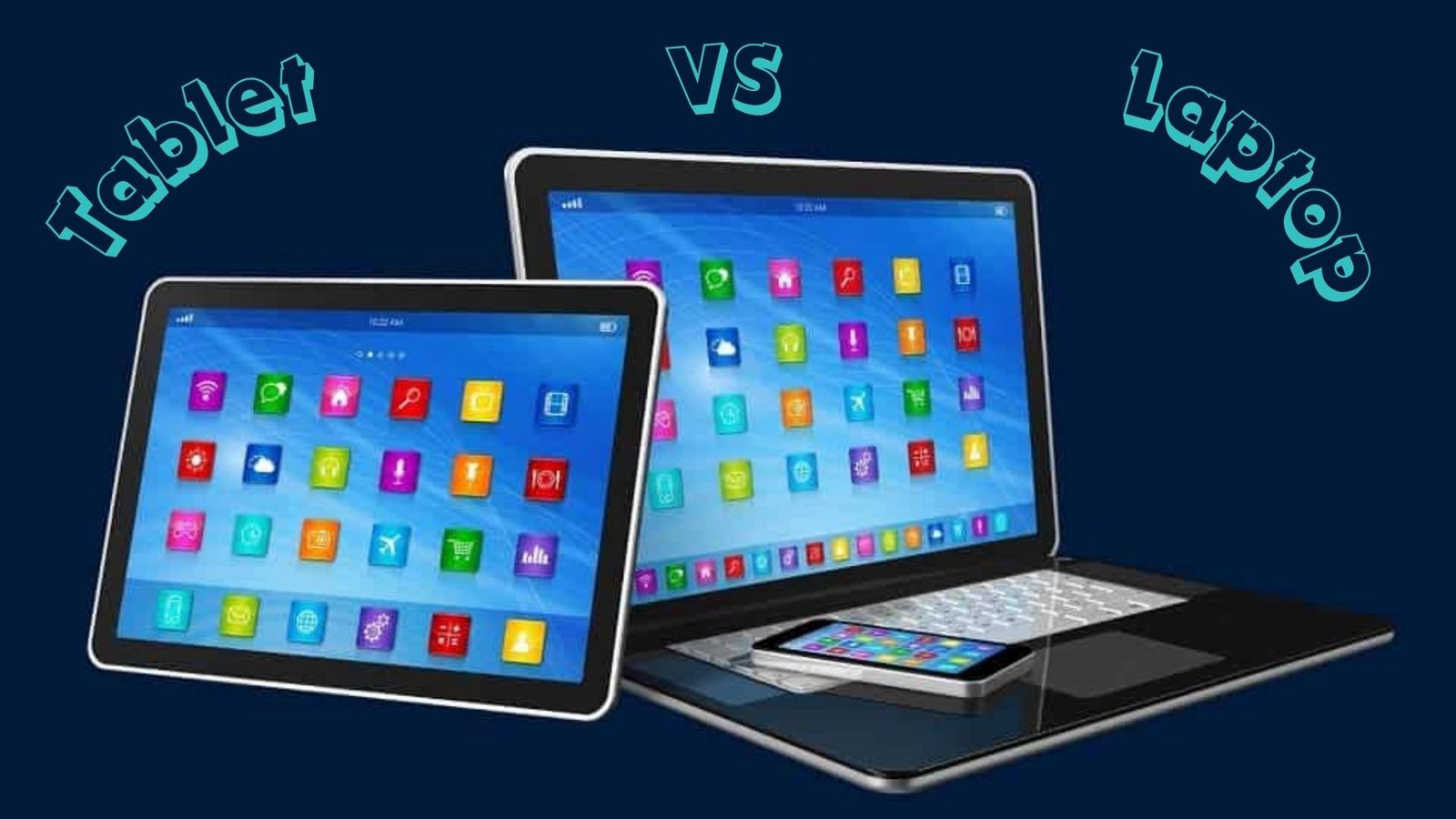
In today’s digital world, choosing between a laptop and a tablet can be confusing, especially with so many options available in India. Both devices offer unique benefits and are designed for different purposes. A laptop is perfect for tasks that require strong processing power, multitasking, and professional software like MS Office, coding tools, or video editing apps. Tablets, on the other hand, are lightweight, portable, and ideal for reading, browsing the internet, watching videos, or using apps on the go.
Understanding the difference between a laptop and a tablet is important before making a purchase, as it affects productivity, convenience, and value for money. Laptops are generally better for students, office professionals, and creators who need performance, while tablets suit casual users, travelers, or those looking for a simple, portable device. In this guide, we’ll explore key differences in design, performance, usability, battery life, and cost, helping you choose the device that best fits your needs in India.
What Is the Difference Between a Laptop and a Tablet?
Have you ever wondered, “What exactly makes a laptop different from a tablet?” A laptop is a portable computer equipped with a full keyboard, trackpad, and powerful hardware. It can handle heavy software applications like MS Office, video editing tools, coding platforms, and multiple programs running at the same time. Laptops are ideal for students, professionals, and creators who need a reliable device for productivity, online classes, or work from home setups.
A tablet, on the other hand, is a touchscreen device that is lightweight and extremely portable. Tablets are perfect for casual browsing, reading e-books, watching videos, attending online classes, or using apps on the go. In India, tablets are popular among students and travelers because of their affordability, long battery life, and ease of use. Understanding these differences helps you select a device that matches your lifestyle, daily tasks, and budget, ensuring you get the most value for your money.
Why Does the Difference Between a Laptop and a Tablet Matter?
Why is it important to understand the difference between a laptop and a tablet? The answer lies in usability, efficiency, and suitability for your daily tasks. In India, where students, professionals, and remote workers rely heavily on digital devices, choosing the right device can significantly impact productivity. Laptops are ideal for professional tasks, multitasking, and running heavy applications like video editing software, coding platforms, or large spreadsheets.
Tablets, on the other hand, are perfect for light, portable, and casual use. They are great for reading e-books, browsing the internet, watching videos, attending online classes, or using social media on the go. The difference also affects your budget: tablets are generally more affordable, making them accessible for students and casual users, while laptops are a long-term investment for performance and versatility. Knowing this distinction ensures that you select a device that fits your lifestyle, work requirements, and value for money in the Indian context.
Difference Between a Laptop and a Tablet
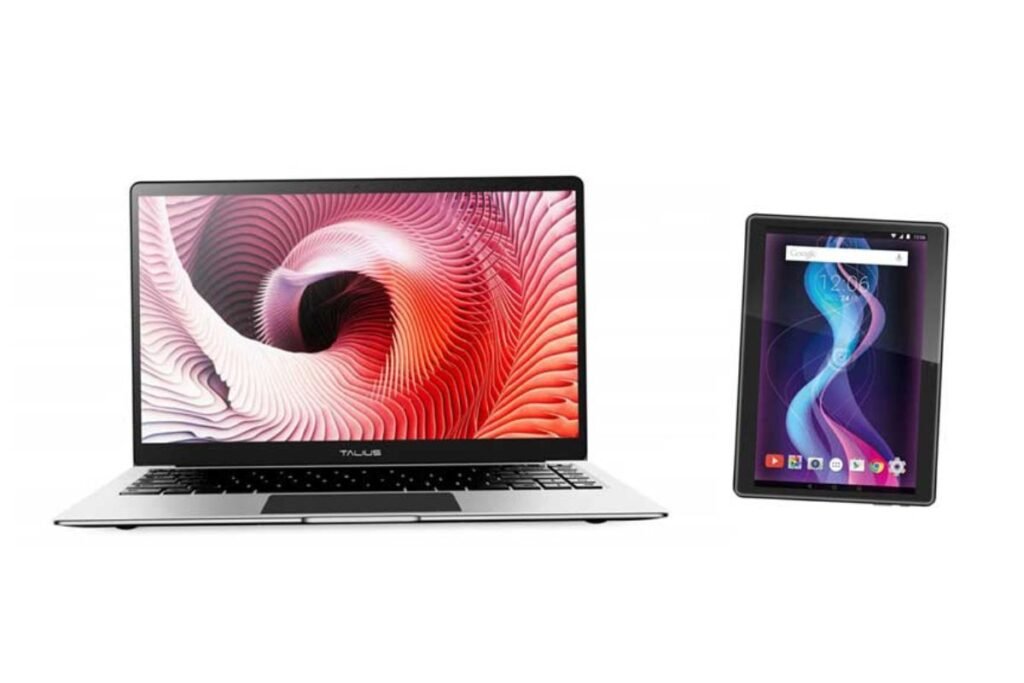
In today’s tech-driven world, choosing between a laptop and a tablet can be challenging, especially with so many options available in India. Both devices serve unique purposes and cater to different user needs. Understanding their differences can help you make an informed choice that fits your lifestyle, work, and budget. Whether you are a student, professional, or casual user, knowing the strengths and limitations of each device ensures better productivity and value for money.
1. Design and Portability
Laptop: Laptops come with a built-in keyboard, larger screens (typically 13–17 inches), and a clamshell design. They are bulkier than tablets but remain portable enough to carry to offices, libraries, or cafes. Many Indian professionals and students prefer laptops for their robust build and multi-purpose use. Laptops may weigh between 1.5–2.5 kg, so they are portable but less convenient for constant travel.
Tablet: Tablets are lightweight, slim, and primarily touch-screen devices. They are highly portable, easy to carry, and perfect for on-the-go use, whether commuting in Mumbai’s trains or traveling across cities. Tablets usually lack a built-in keyboard, though attachable keyboards and stylus pens can expand functionality. Their compact design makes them ideal for casual tasks and entertainment.
2. Performance and Hardware
Laptop: Laptops are equipped with powerful processors, more RAM, and higher storage capacities. They can handle multitasking, professional work, gaming, and software-intensive applications like video editing, 3D modeling, and programming. Indian students in engineering, design, and software courses often rely on laptops for assignments and projects due to their superior performance.
Tablet: Tablets generally have less powerful hardware, suitable for browsing, media consumption, online classes, and light productivity tasks. Heavy applications or multitasking may cause tablets to lag. However, for casual users or those focused on reading, video streaming, and note-taking, tablets provide a smooth and efficient experience.
3. Operating System
Laptop: Most laptops run full-fledged operating systems like Windows, macOS, or Linux. These OS options allow installation of professional software, advanced productivity tools, and games. This makes laptops suitable for students, office professionals, and content creators who need versatile computing capabilities.
Tablet: Tablets generally run mobile operating systems like iOS or Android. Some hybrid tablets use Windows or Chrome OS, but their capabilities are usually limited compared to full laptop OS. While suitable for mobile apps and lightweight productivity tools, they may not support complex professional software.
4. Input Methods
Laptop: Laptops rely on a physical keyboard and a trackpad or external mouse for input. This makes them ideal for typing-intensive tasks such as writing reports, coding, or preparing presentations. The keyboard experience is usually better than tablet attachments, especially for extended use.
Tablet: Tablets use touch screens for input, and many support stylus pens for drawing, note-taking, or annotations. Optional keyboard attachments can provide some typing capability, but they often fall short of the laptop experience. Tablets excel for creative and interactive tasks but are less suited for heavy typing work.
5. Battery Life
Laptop: Laptops generally last 5–10 hours depending on usage and hardware. High-performance laptops with powerful processors or gaming laptops may have shorter battery life due to intensive workloads. Battery life can also vary depending on apps, screen size, and brightness settings.
Tablet: Tablets often provide longer battery life, ranging from 10–15 hours, as they run lighter software and energy-efficient processors. This makes them ideal for students attending online classes, travelers, or casual users who need a device that lasts all day without frequent charging.
6. Price
Laptop: Laptops are generally more expensive due to their versatile hardware and performance capabilities. In India, entry-level laptops may start around ₹25,000–₹30,000, while high-end models for professionals or gaming can cost over ₹1,50,000 or more.
Tablet: Tablets are usually more affordable, with many options under ₹20,000–₹25,000, making them accessible for students, casual users, and people looking for portable entertainment devices. High-end tablets with stylus support or hybrid functionality may cost more but still often remain cheaper than laptops.
7. Best Use Cases
Laptop: Laptops are ideal for professionals, college students, gamers, and creators who require multitasking, professional software, or extended typing. They are suitable for remote work, online classes, software development, video editing, and business presentations.
Tablet: Tablets are best suited for casual browsing, media consumption, reading, note-taking, light gaming, and portable entertainment. They are convenient for travel, commuting, or using educational apps. Indian students and casual users often prefer tablets for their lightweight design and easy mobility.
Where to Use a Laptop vs a Tablet
Each device serves specific purposes in everyday life and fits different daily needs. In India, laptops are best suited for desks, offices, study rooms, and long work or online class sessions. They provide a stable setup for typing assignments, creating presentations, coding, or running software that requires more processing power. Laptops are also ideal for remote work setups, professional meetings, and multitasking across multiple applications.
Tablets, on the other hand, are highly portable and convenient for casual use. They are perfect for reading e-books, watching videos, browsing social media, or attending online classes while sitting on a couch, in bed, or even during travel. Many Indian students and professionals prefer tablets for their lightweight design, long battery life, and ease of carrying to libraries, cafes, or public transport.
Understanding where each device works best can improve productivity and comfort. Using a laptop for heavy, work-intensive tasks and a tablet for light, portable activities ensures efficiency, convenience, and better daily workflow management.
Who Should Choose a Laptop Over a Tablet?
Are you wondering who truly benefits from using a laptop over a tablet? In India, laptops are the preferred choice for professionals, students, and content creators who frequently work with software, documents, spreadsheets, or large files. Laptops provide powerful processors, full operating systems, and physical keyboards, making them ideal for long typing sessions, coding, graphic design, video editing, or data analysis.
Students preparing assignments, attending online classes, or using productivity software will find laptops more efficient than tablets. Similarly, professionals working from home, in offices, or on projects requiring multitasking will benefit from the laptop’s performance and multitasking capabilities. For individuals handling heavy workloads or creative tasks, a laptop is a long-term investment that enhances productivity, supports advanced applications, and ensures smooth, uninterrupted work.
When Is a Tablet Better Than a Laptop?
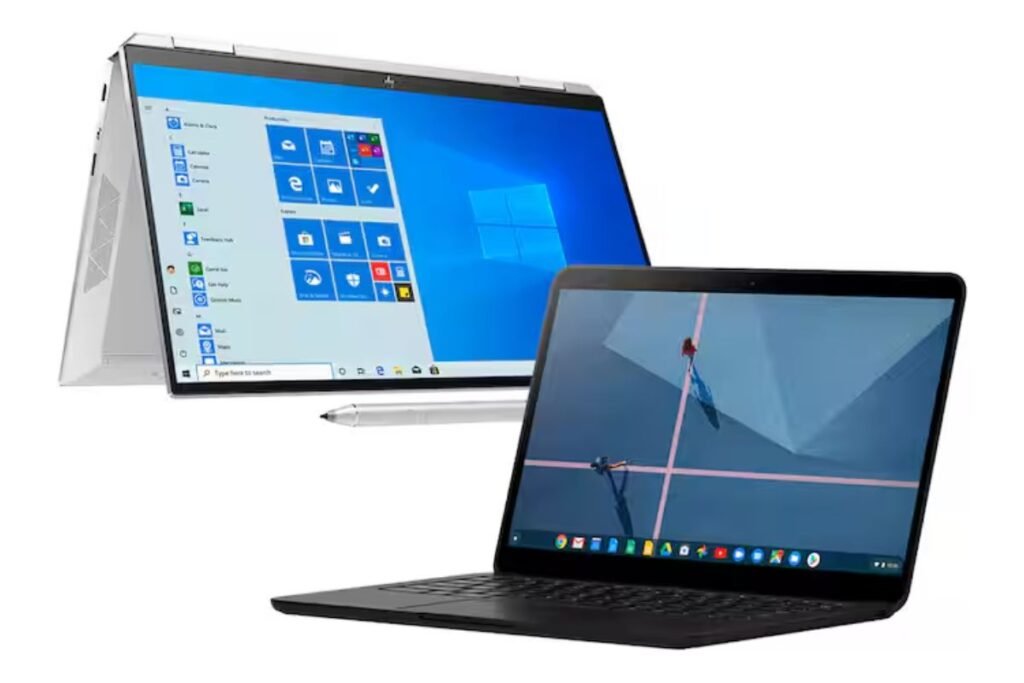
A tablet makes more sense than a laptop when you need portability, quick access, and touch-based convenience. In India, tablets are an excellent choice for people whose primary tasks involve reading e-books, watching videos, browsing the internet, or attending online classes. Their lightweight and compact design makes them easy to carry around, whether you’re commuting on public transport, traveling, or moving between home and office or college.
Tablets are also ideal for quick tasks like checking emails, browsing social media, or taking notes during lectures. Students often prefer tablets for digital learning apps and interactive study tools, while casual users enjoy them for entertainment purposes. If portability, ease of use, and comfort outweigh the need for heavy computing power, tablets provide a convenient, cost-effective, and efficient solution for daily digital activities in India.
Apps That Work Better on a Laptop vs a Tablet
Which apps perform best on a laptop compared to a tablet? In India, laptops are ideal for running full desktop applications such as Microsoft Office, Adobe Photoshop, video editing software, programming tools, and other productivity software. These applications require higher processing power, larger storage, and precise input methods, which laptops handle efficiently. Professionals, students, and content creators often rely on laptops for tasks that demand multitasking and advanced functionality.
Tablets, on the other hand, work best with mobile apps designed for touchscreens. These include streaming apps like YouTube and Netflix, note-taking applications, educational tools, casual games, and social media platforms. Many modern tablets also support detachable keyboards and hybrid features, making them capable of handling light productivity tasks. However, for demanding professional software and complex projects, laptops remain the superior choice. Understanding these differences ensures you select the right device for productivity, learning, and entertainment in India.
Laptop vs Tablet: Storage and Expandability
Storage is one of the most important differences between a laptop and a tablet. In India, laptops usually come with larger internal storage options, ranging from 256GB to 1TB or more, and often allow expandability through external hard drives, SSDs, or memory cards. This makes them ideal for storing large files such as videos, high-resolution images, software programs, and documents for work or study. Professionals, students, and content creators who handle heavy data will find laptops much more convenient for long-term use.
Tablets, on the other hand, typically have smaller internal storage, ranging from 32GB to 256GB, depending on the model. Most tablets rely heavily on cloud storage solutions like Google Drive, OneDrive, or iCloud for storing files, photos, and documents. While tablets are suitable for light storage needs and casual media consumption, users handling large projects or multiple software applications may find them limiting. Understanding this difference helps you choose a device that meets your storage requirements and avoids frequent data management issues.
How to Use a Laptop and Tablet Together
Can you use both a laptop and a tablet efficiently? Absolutely! In India, combining a laptop and a tablet can create a versatile and productive digital setup. Use a laptop for heavy work, multitasking, online classes, professional applications, and projects that require high performance. Laptops are ideal for tasks like coding, video editing, designing presentations, or managing multiple documents simultaneously.
A tablet, on the other hand, is perfect for reading e-books, browsing the internet, attending online lectures, watching videos, or using educational and entertainment apps while on the go. Students and professionals can use tablets for note-taking with a stylus, checking emails, or quick research, while reserving the laptop for demanding tasks.
Using both devices together offers flexibility and convenience. For example, you could attend an online class on your tablet while taking notes on your laptop, or watch tutorial videos on the tablet while practicing tasks on the laptop. This approach maximizes productivity, saves time, and allows you to enjoy the strengths of each device in your daily routine.
Laptop vs Tablet: Portability and Design
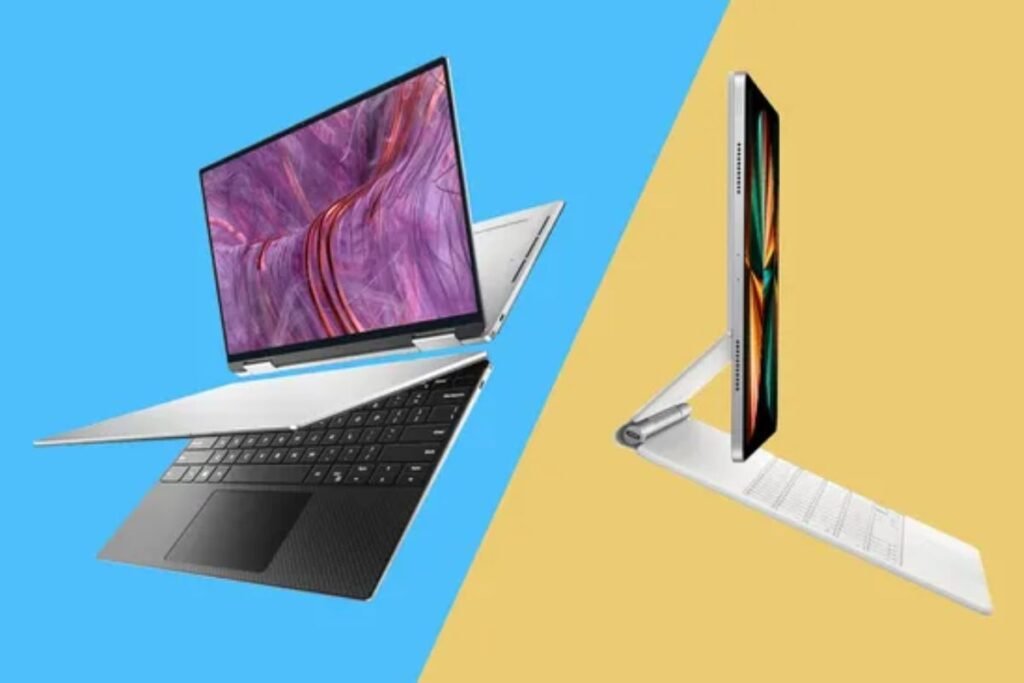
How do laptops and tablets differ in portability and design? In India, tablets are known for their thin, lightweight, and compact form, making them easy to carry in one hand or slip into a small backpack. This makes them ideal for students commuting to college, professionals traveling between meetings, or anyone who wants a device for casual, on-the-go use.
Laptops, in contrast, are larger and heavier, but they offer full keyboards, larger screens, and more processing power. While they may be less convenient to carry daily, laptops provide a more comfortable experience for typing, multitasking, and professional work. Many Indian users opt for laptops when power and performance are more important than mobility.
Your choice between a laptop and a tablet largely depends on your lifestyle and how often you move around. If portability and ease of handling are top priorities, tablets are the better option. If you need a device for heavy work, multitasking, and extended use, laptops are the ideal choice. Understanding this difference ensures you pick a device that suits your daily routine and work habits.
The Future of Laptops and Tablets
What does the future hold for laptops and tablets in India and worldwide? Technology is evolving rapidly, with hybrid devices, foldable screens, and faster processors starting to combine the best features of both tablets and laptops. These innovations aim to provide the portability of a tablet with the power and productivity of a laptop, making devices more versatile than ever.
Artificial intelligence (AI) and cloud computing are also transforming how we use these devices. AI-powered apps can enhance productivity, automate tasks, and personalize user experiences, while cloud storage allows seamless access to files and apps across devices. In India, this means students, professionals, and casual users can enjoy smarter, more efficient computing even on mid-range devices.
Despite these advancements, laptops are likely to remain the go-to choice for heavy work, software development, and professional use, while tablets will continue offering portability, ease of use, and convenience for casual tasks, travel, and learning. Understanding these trends helps Indian users make informed decisions about investing in devices that meet both current and future needs.
Conclusion
Understanding the difference between a laptop and a tablet is essential for making the right choice based on your needs, lifestyle, and budget. In India, laptops are ideal for students, professionals, and creators who require powerful processors, multitasking capabilities, and full desktop software for work, study, or creative projects. Tablets, on the other hand, offer portability, ease of use, and convenience for casual browsing, online learning, entertainment, and travel.
By considering factors such as performance, battery life, storage, portability, and the types of apps you use, you can choose a device that enhances productivity, provides comfort, and delivers the best value for your money. Selecting the right device ensures that you stay efficient, enjoy smooth digital experiences, and meet both personal and professional needs effectively in today’s fast-paced Indian lifestyle.
FAQs: Difference Between a Laptop and a Tablet
Q1: What is the main difference between a laptop and a tablet?
Ans: Laptops have keyboards, larger screens, and powerful hardware for multitasking and professional work. Tablets are lightweight, touchscreen devices ideal for portability, casual browsing, reading, and media consumption.
Q2: Which is better for students in India?
Ans: Laptops are better for heavy coursework, coding, or professional software. Tablets are suitable for online classes, note-taking, reading, and light tasks.
Q3: Can a tablet replace a laptop?
Ans: Tablets can handle light tasks like browsing and online learning, but laptops are necessary for heavy multitasking, software development, and professional work.
Q4: Are laptops more expensive than tablets?
Ans: Yes. Entry-level laptops in India start around ₹25,000–₹30,000, while high-end models can exceed ₹1,50,000. Tablets are more affordable, usually ₹15,000–₹25,000.
Q5: Which device has better battery life?
Ans: Tablets generally last 10–15 hours, while laptops last 5–10 hours depending on usage and hardware.
Q6: What apps work best on laptops vs tablets?
Ans: Laptops support desktop apps like Microsoft Office, Adobe Photoshop, video editing, and programming tools. Tablets are best for mobile apps, streaming, note-taking, and casual games.
Q7: How portable are laptops compared to tablets?
Ans: Tablets are thin, lightweight, and easy to carry anywhere. Laptops are heavier but offer better performance, larger screens, and full keyboards.
Q8: Can I use a laptop and tablet together?
Ans: Yes. Use a laptop for heavy work and a tablet for reading, browsing, or entertainment. Combining both improves productivity and flexibility.
Q9: Which is better for work-from-home professionals?
Ans: Laptops are preferred for multitasking and running professional software. Tablets can complement laptops for video calls, note-taking, or quick research.
Q10: What is the future of laptops and tablets?
Ans: Hybrid devices, foldable screens, AI, and cloud computing are making devices more versatile. Laptops will remain for heavy work, while tablets excel in portability and casual use.
Related Keyword:
which is better, laptop vs tablet, pros and cons, 2 in 1 laptop vs tablet, laptop vs tablet for students, laptop vs tablet for kids, laptop vs tablet for office work, laptop vs tablet for work, laptop vs tablet for studying, small laptop vs tablet, mini laptop vs tablet, desktop vs laptop vs tablet, laptops, tablets, laptop computer, laptop computers, tablet computer, notebook vs tablet vs laptop, laptop vs tablet vs notebook, notebook vs tablet pc, laptop or tablet which is better
2 Replies to “Difference Between a Laptop and a Tablet: Everything You Need to Know”
Best Laptops for Writers 2026 - techallworld.com
18 May 2026[…] you can explore our another blog : Difference Between a Laptop and a Tablet […]
Chromebook vs Laptop: What’s the Difference? Which One Should You Buy? - techhatoz.com
20 May 2026[…] Read More: Difference Between a Laptop and a Tablet […]