

Introduction
Smart home technology continues to evolve rapidly, with homeowners seeking more convenience, control, and enhanced security. As a result, Zigbee Smart Home Devices are gaining widespread popularity across the United States. These innovative devices allow users to effortlessly manage lighting, locks, sensors, and appliances using a smartphone or voice assistant. Known for their stable performance and low power consumption, Zigbee devices provide a reliable and eco-friendly solution for modern homes.
One of the standout features of Zigbee technology is its ability to create a mesh network. This network connects all Zigbee devices throughout the house, improving connectivity and ensuring seamless communication between devices, no matter the size of your home. Whether you’re building a new smart home or upgrading an existing system, Zigbee solutions offer an efficient and comfortable experience, making daily routines more manageable and secure.
With Zigbee home automation, you can automate your home for greater efficiency and enhanced security. Have you ever wanted to control your home remotely? Zigbee technology provides a practical, smart solution, offering homeowners a connected, efficient, and secure living environment.
Read More :Difference Between a Laptop and a Tablet
What Are Zigbee Smart Home Devices?
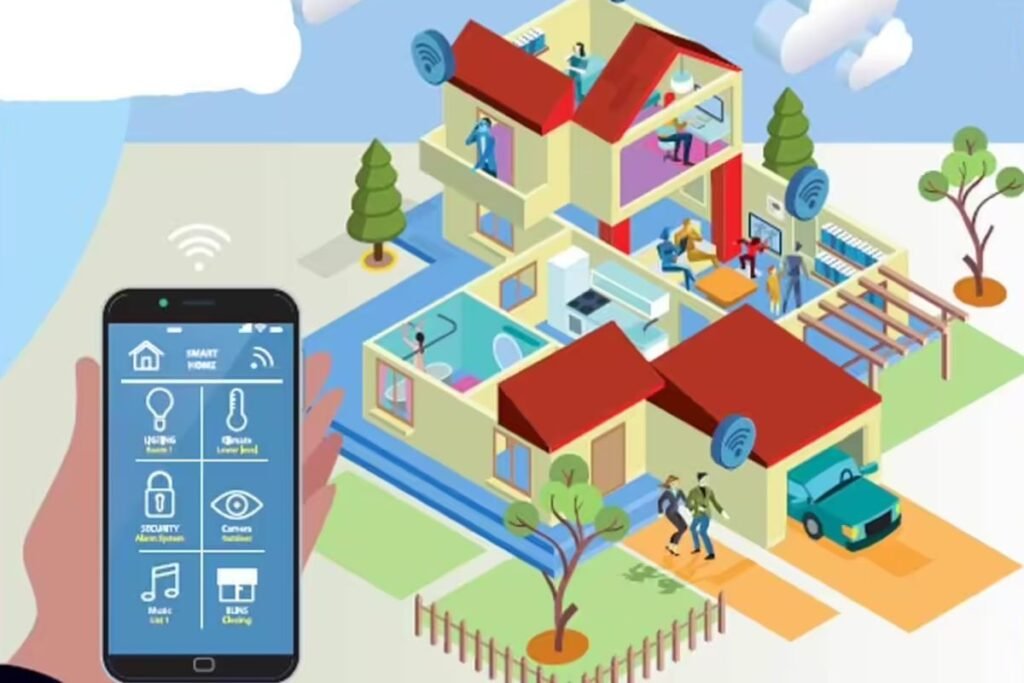
Zigbee Smart Home Devices are advanced smart products that use the Zigbee wireless protocol to communicate with each other. Unlike traditional Wi-Fi devices, Zigbee creates a mesh network where each device helps pass signals to others. As a result, the overall connection becomes more stable and reliable across the entire home.
In addition, Zigbee technology is highly energy efficient, which makes it perfect for battery-powered devices. Many sensors and smart gadgets can run for long periods without frequent battery changes, saving both time and effort for homeowners.
Common examples of Zigbee devices include smart bulbs, motion sensors, smart plugs, door locks, and home security systems. Therefore, users can easily automate different parts of their home for better convenience, safety, and control. Moreover, this system allows homeowners to build a fully connected smart home environment that is both efficient and easy to manage in everyday life.
How Zigbee Technology Works
Zigbee devices usually connect through a central hub. This hub acts as the control center for the entire smart home system. Once connected, users can manage all devices through a mobile app or voice commands.
For example, you can turn off your lights, lock your doors, or adjust smart plugs remotely. Moreover, Zigbee networks continue working smoothly even when many devices are connected at the same time.
Because of the mesh network design, signals can travel farther across larger homes. Therefore, Zigbee is a great option for people who want reliable smart home coverage.
Benefits of Zigbee Smart Home Devices
Low Power Consumption

One of the key benefits of Zigbee smart home devices is their excellent energy efficiency. Many Zigbee sensors, switches, and smart devices use very little power, allowing them to operate for several years on a single battery. As a result, homeowners do not need to replace batteries frequently, which saves both time and effort. In addition, lower energy consumption can help reduce overall electricity costs while supporting a more efficient and eco-friendly smart home environment.
Reliable Mesh Networking
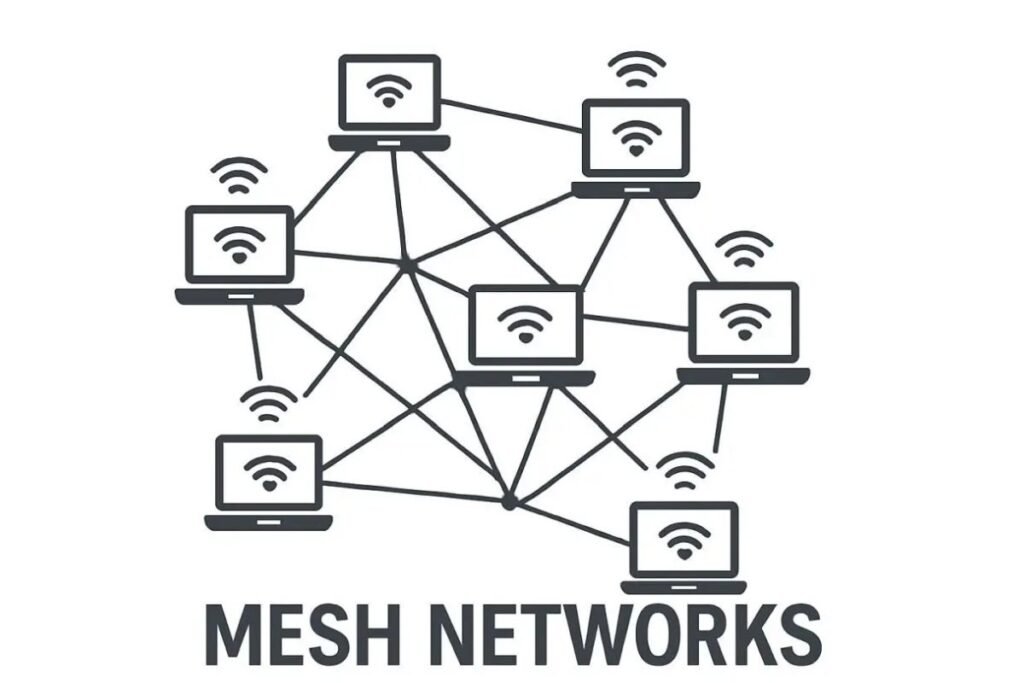
Zigbee technology uses a mesh network system where connected devices help extend and strengthen the wireless signal throughout the home. As a result, smart devices can communicate more reliably, even across long distances. Moreover, this setup improves overall network stability and reduces connection problems. This feature is especially beneficial for larger homes where standard Wi-Fi signals may not reach every room effectively, allowing smart devices to stay connected with better performance.
This feature is especially useful in larger houses where Wi-Fi signals may struggle to reach certain rooms.
Fast Response Times
Smart homes should respond quickly to commands. Fortunately, Zigbee devices are known for fast and stable performance.
For instance, smart lights usually turn on instantly without noticeable delays. Moreover, automation routines work more smoothly with Zigbee systems.
Improved Security
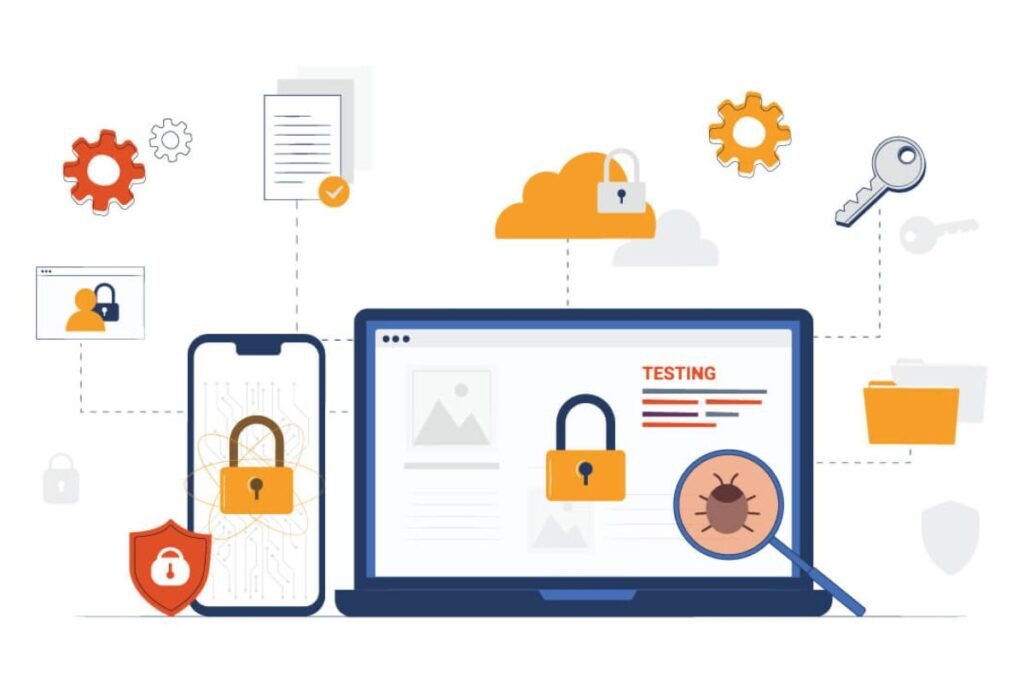
Home security is a top priority for many smart homeowners today. Zigbee technology uses advanced encryption to help secure device communication and protect personal data from unauthorized access. In addition, Zigbee networks are designed to provide stable and reliable connections between smart devices. Therefore, many users choose Zigbee for their home automation systems because it offers both convenience and an added layer of security for connected homes.
Therefore, many people consider Zigbee a safer option for home automation systems.
Popular Zigbee Smart Home Devices
Zigbee Smart Home Devices are widely used because they make home automation simple, efficient, and reliable. These devices help homeowners control and monitor their homes with ease through a smart hub or mobile app. Moreover, they work together through a stable mesh network, which improves overall connectivity and performance.
Smart Lighting
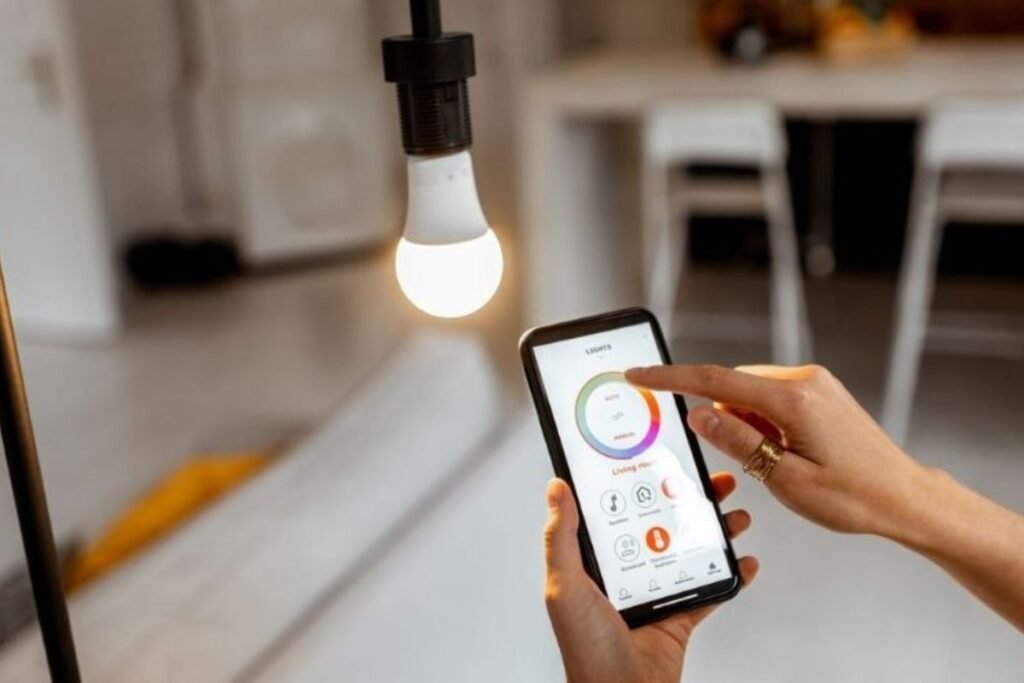
Smart bulbs are one of the most popular Zigbee smart home devices available today. They allow users to control brightness, colors, and lighting schedules directly from a smartphone or voice assistant. In addition, many smart bulbs support automation features that improve convenience and comfort throughout the home. Moreover, smart lighting systems can help reduce electricity consumption by turning lights off automatically when they are not needed, which may lower energy costs over time.
Moreover, smart lighting can help reduce electricity usage over time.
Smart Sensors
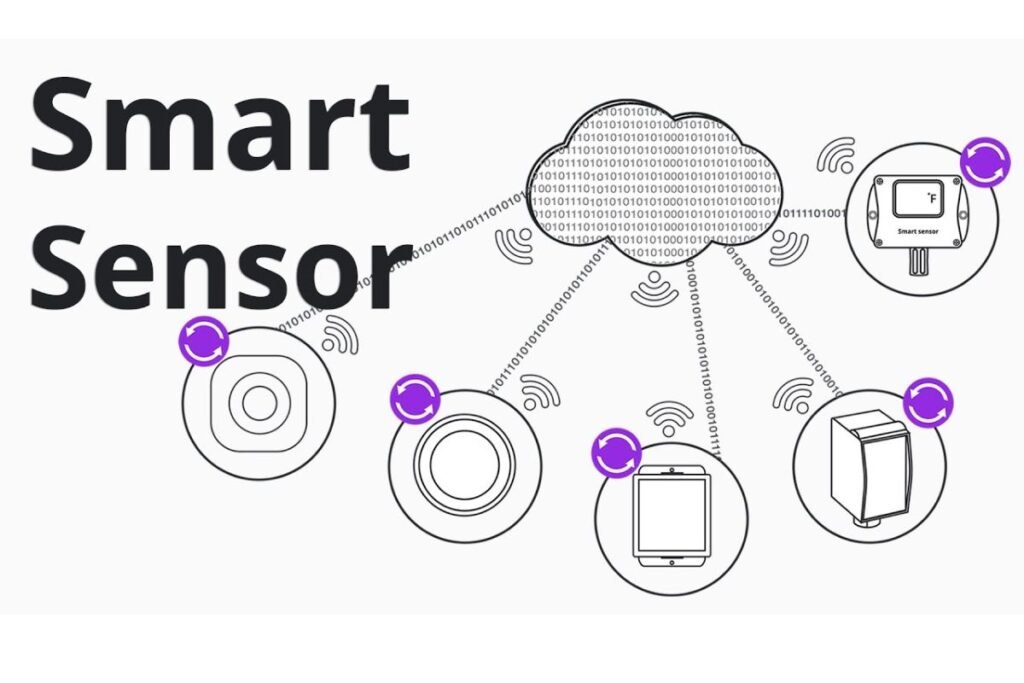
Motion sensors, door sensors, and temperature sensors are essential parts of many Zigbee smart home systems. These smart devices help homeowners monitor activity, improve safety, and create a more convenient living environment. Moreover, they can send instant notifications when unusual movement or unexpected door activity is detected. For example, if a door opens while nobody is home, the system can immediately alert the homeowner through a smartphone app for faster response and better security.
For example, homeowners can receive alerts when doors open unexpectedly.
Smart Plugs
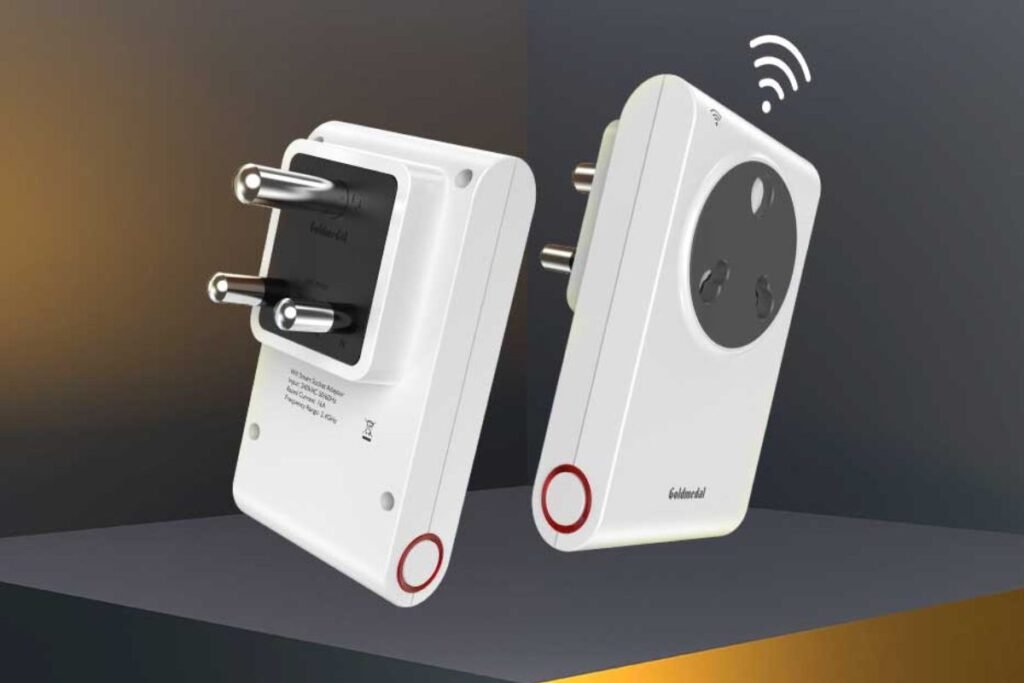
Smart plugs are an easy way to upgrade everyday appliances into smart home devices. With a Zigbee smart plug, users can control items like coffee makers, table lamps, fans, and small kitchen appliances directly from a smartphone or voice assistant. In addition, smart plugs help improve convenience and energy efficiency by allowing scheduled automation and remote access. Therefore, homeowners can manage their devices more easily, even when they are away from home
Smart Door Locks
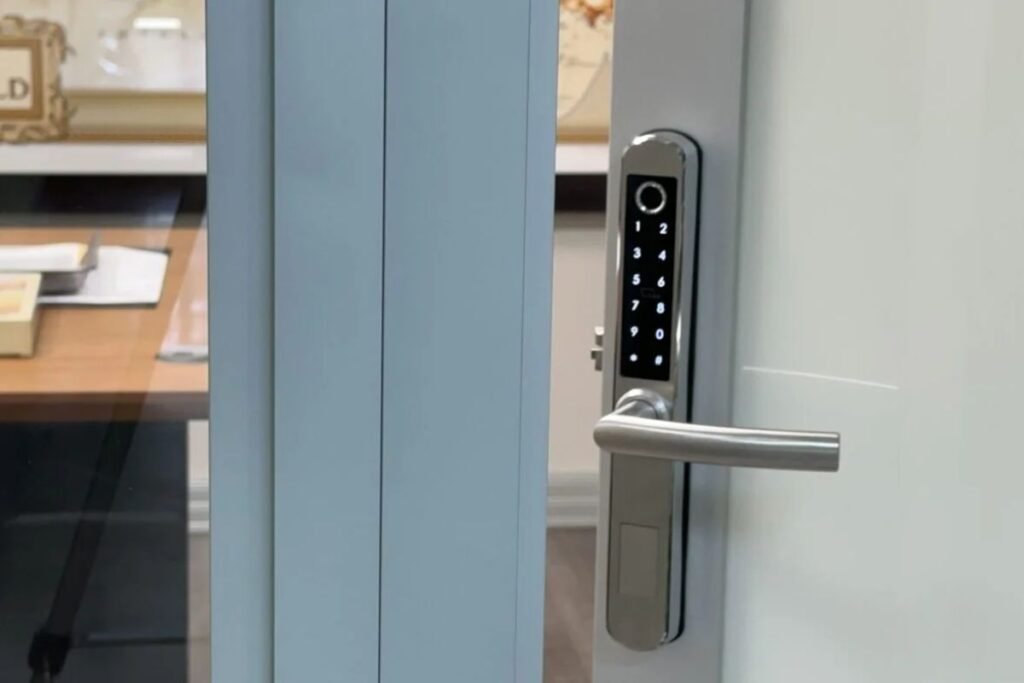
Smart locks are becoming a popular choice for modern homeowners who want better convenience and security. Unlike traditional locks, Zigbee smart locks allow users to lock or unlock doors remotely using a smartphone or smart home system. Moreover, these devices offer advanced features such as real-time alerts, temporary guest access, and automation settings. Therefore, Zigbee smart locks help improve home security while making everyday access simpler and more efficient.
Zigbee vs. Wi-Fi: Which Is Better?
Many people often compare Zigbee with Wi-Fi when selecting smart home devices, as both technologies offer unique advantages. However, they are designed for different purposes. Wi-Fi provides higher bandwidth and faster data transfer, which makes it suitable for internet-heavy tasks, but it also consumes more power. On the other hand, Zigbee is designed for low energy consumption and reliable device-to-device communication. Moreover, Zigbee performs very well in managing multiple connected devices at the same time without slowing down. Therefore, it is often preferred for advanced smart home automation systems where stability, efficiency, and low power usage are more important than high-speed internet performance.
How to Set Up Zigbee Smart Home Devices
Setting up Zigbee Smart Home Devices is usually a simple and straightforward process for most users. First, you need a Zigbee-compatible hub, which acts as the central controller for all your smart devices. After that, you can connect your devices to the hub using the manufacturer’s mobile app. Once paired, the devices will start communicating through the Zigbee network automatically.
Moreover, many Zigbee systems are compatible with popular voice assistants like Amazon Alexa and Google Home. As a result, users can easily control their smart devices using simple voice commands, making daily life more convenient.
In addition, automation features allow you to create smart routines for your home. For example, you can set your lights to turn on automatically when you arrive home or adjust devices based on your schedule. Therefore, Zigbee technology makes home automation easier, smarter, and more efficient for everyday living.
Why Zigbee Smart Home Devices Are the Future
The demand for smart home technology continues to rise across the United States as more people look for homes that are convenient, energy-efficient, and secure. Zigbee Smart Home Devices help meet these needs by offering reliable performance and easy automation for everyday living. Moreover, Zigbee technology uses a stable mesh network that improves connectivity between multiple devices throughout the home. In addition, its low power consumption makes it highly suitable for modern smart homes with many connected sensors and appliances. As smart cities and fully connected homes become more common in the future, Zigbee is expected to play an even more important role in home automation systems. Therefore, it continues to be a strong choice for building smarter, safer, and more efficient living environments.
Conclusion
Zigbee Smart Home Devices provide an easy and reliable solution for creating a modern, intelligent home. They deliver fast performance, stable connectivity, low energy consumption, and enhanced security, making them highly efficient for everyday use. Moreover, Zigbee technology ensures that multiple devices work together smoothly through a strong mesh network, improving the overall home automation experience.
Therefore, Zigbee devices are an excellent choice for homeowners who want a dependable and scalable smart home system. Whether you are starting with a few basic devices or planning a fully automated home setup, Zigbee technology can support your needs effectively. In addition, it helps create a more comfortable, convenient, and connected lifestyle, allowing users to enjoy smarter living with less effort and greater control over their environment.
FAQs about Zigbee Smart Home Devices
Q1: What are Zigbee Smart Home Devices?
Ans: Zigbee Smart Home Devices are wireless smart gadgets that use the Zigbee protocol to communicate with each other. Moreover, they help create a connected home system where lights, sensors, locks, and appliances work together smoothly.
Q2: How do Zigbee devices work in a smart home?
Ans: Zigbee devices connect through a central hub and use a mesh network. Therefore, each device helps pass signals to others, which improves coverage and stability across the home.
Q3: Do Zigbee devices require Wi-Fi?
Ans: Zigbee devices do not rely heavily on Wi-Fi for internal communication. However, Wi-Fi or internet may be needed for remote access and cloud-based control features.
Q4: What are the main benefits of Zigbee Smart Home Devices?
Ans: They offer low power consumption, fast response, strong connectivity, and better security. In addition, they support automation that makes daily life easier and more efficient.
Q5: Can Zigbee devices work with voice assistants?
Ans: Yes, many Zigbee devices work with Amazon Alexa and Google Home. As a result, users can control their smart home using simple voice commands.
Q6: Are Zigbee smart devices secure?
Ans: Yes, Zigbee uses encryption to protect communication between devices. Therefore, it is considered a secure option for home automation systems.
Q7: Is Zigbee better than Wi-Fi for smart homes?
Ans: Zigbee is better for low-power device communication and large smart home setups, while Wi-Fi is better for high-speed internet tasks. Therefore, both technologies are useful for different needs.
Q8: Do Zigbee devices help save energy?
Ans: Yes, Zigbee devices are highly energy efficient. Moreover, many devices can run for years on small batteries, reducing maintenance and energy costs.
Q9: Is the installation of Zigbee devices difficult?
Ans: No, installation is usually simple. In addition, most devices only need to be paired with a hub using a mobile app.
Q10: Are Zigbee Smart Home Devices good for beginners?
Ans: Yes, they are very beginner-friendly. Therefore, users can start small and gradually expand their smart home system over time.
Related Keyword: Zigbee smart home devices, Zigbee home automation system, Zigbee smart home setup, Zigbee wireless technology, Zigbee smart home hub, Zigbee devices for home automation, smart home devices Zigbee protocol, Zigbee vs Wi-Fi smart home, best Zigbee smart devices, Zigbee smart lighting system, Zigbee smart sensors, Zigbee smart plugs, Zigbee smart door lock, home automation with Zigbee, how Zigbee smart home devices work, benefits of Zigbee smart home system, Zigbee smart home devices for beginners, how to set up Zigbee smart home devices, Zigbee smart home devices vs Wi-Fi devices, best Zigbee devices for smart home automation, energy saving smart home devices Zigbee.
Post a Comment